AAR Scholars
In Analyzing American Revolution, 33 scholars — and counting — explore the Revolution from 33 distinct and often competing perspectives through in-depth video interviews with Adel Aali.
Scholars featured on AAR represent a range of themes and perspectives, reflecting the program’s commitment to rigorous and diverse historical inquiry.
Below is a growing list of the historians and scholars who have contributed to the program, with links to their biographies and their interviews.
Visual Note
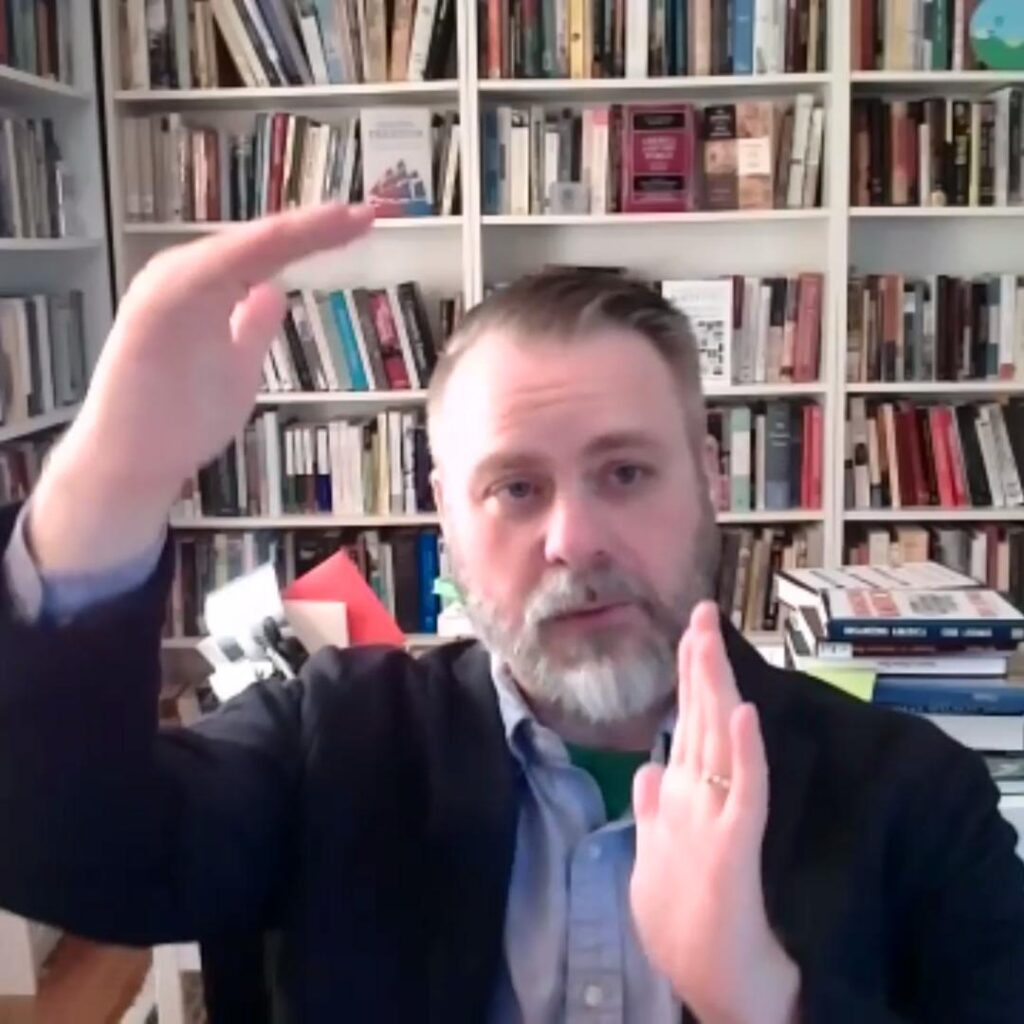
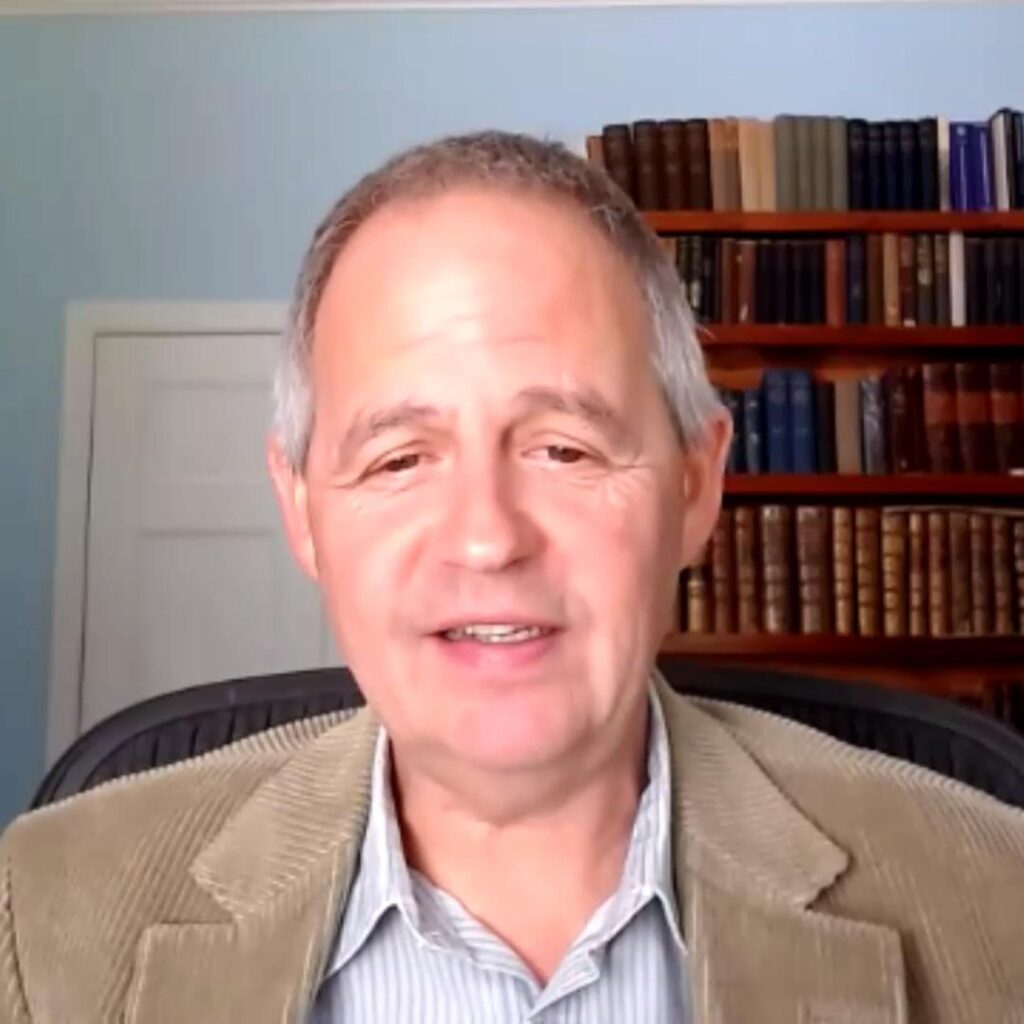
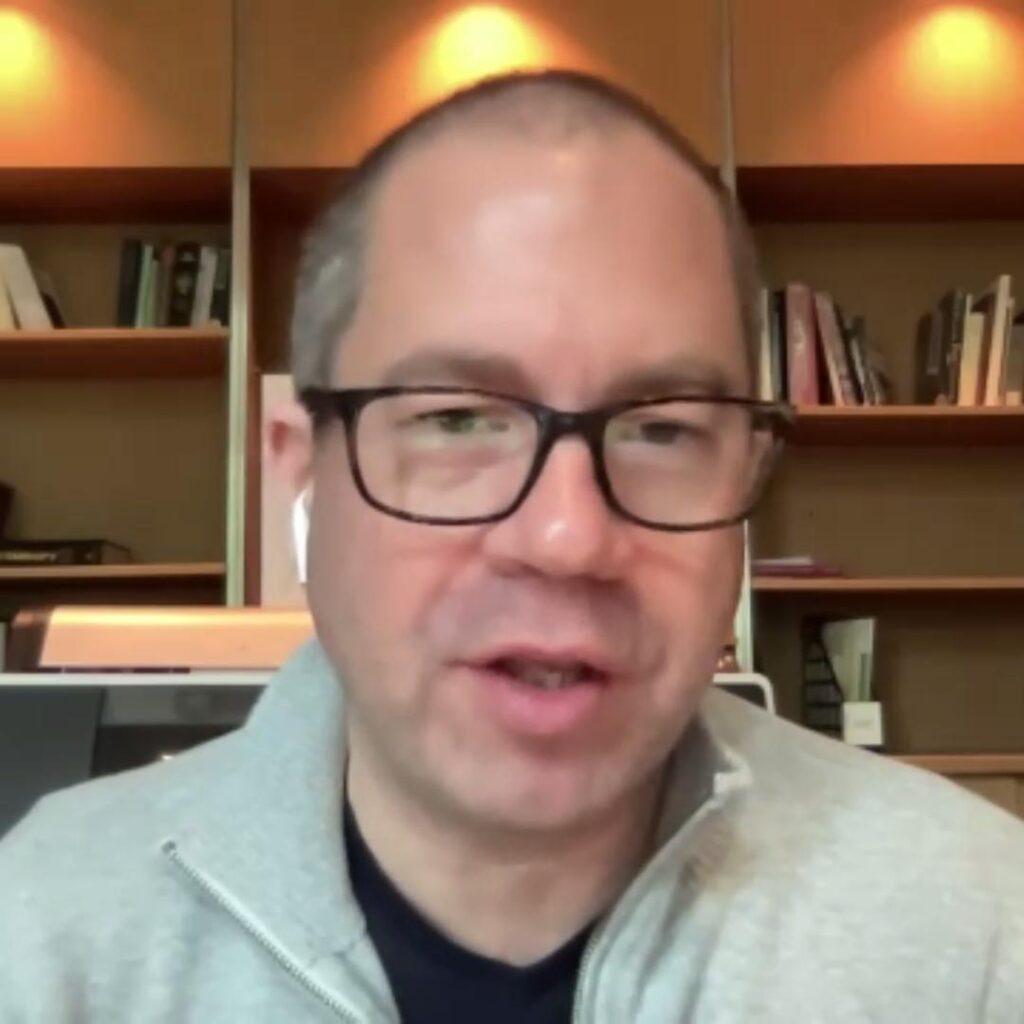
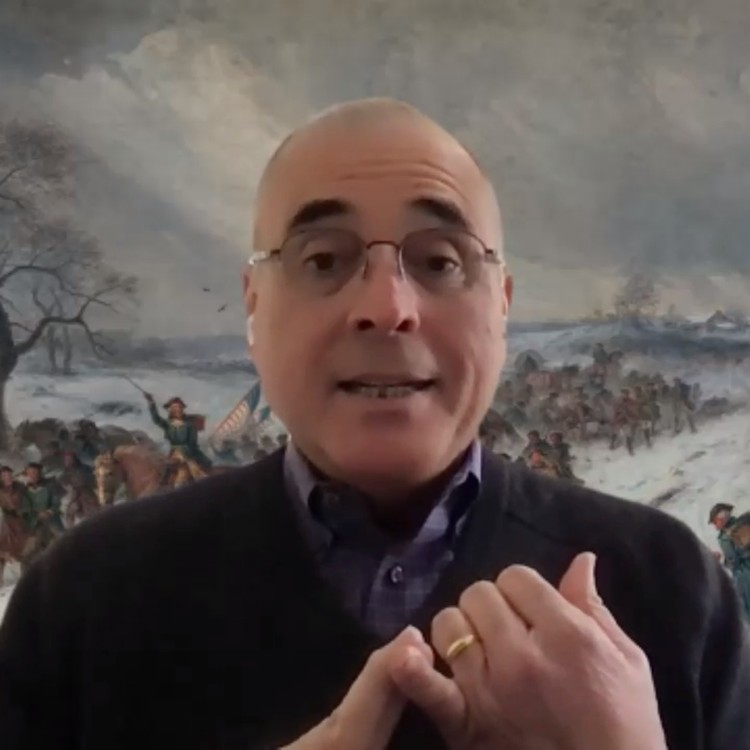
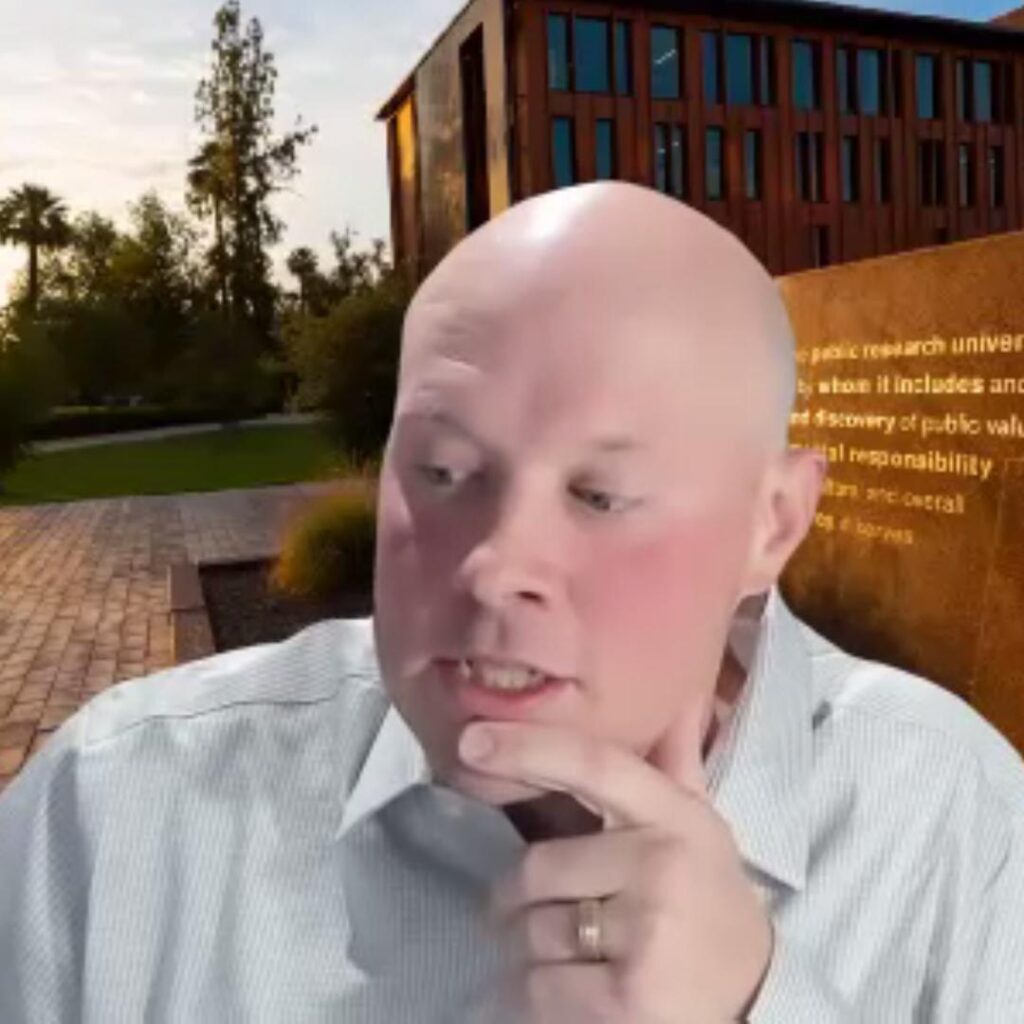
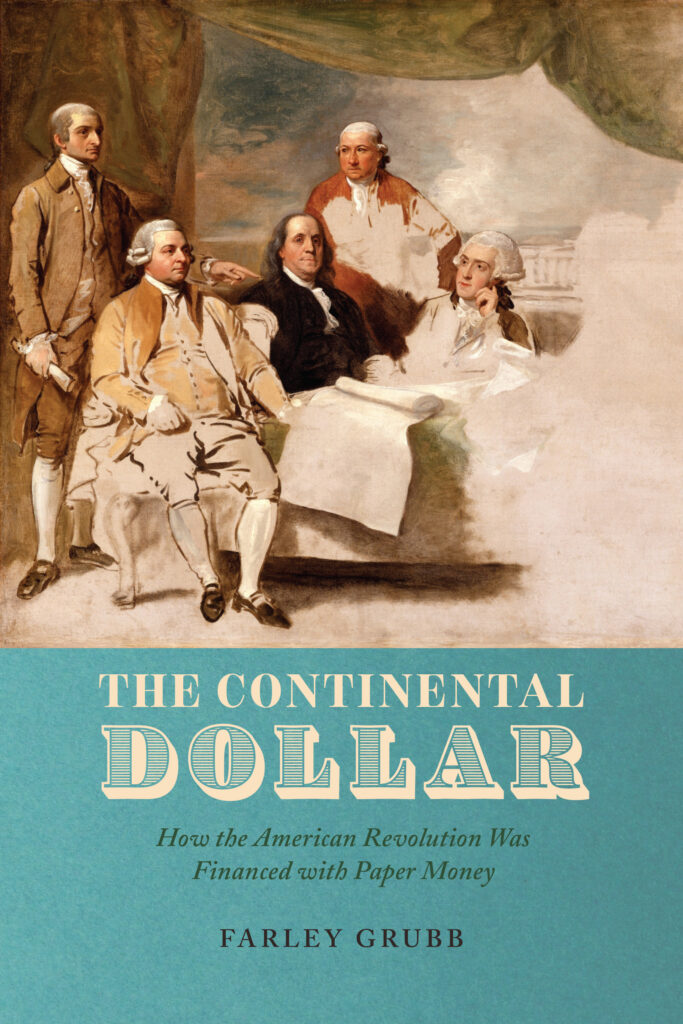
The background image highlights the scholar featured in our most recently published interview.
For interviews that have been recorded but not yet released, the AAR logo appears in place of the featured image. These are updated as new interviews are published.
Dr. Sophia Rosenfeld
Intellectual Foundations
Revolutions are rare. Why would anyone risk everything to start a revolution? Do ideas start revolutions? Did the Enlightenment cause the American Revolution? Was it the Enlightenment — or Enlightenments?
A revolution in thinking during the Age of Revolutions and Age of Reason.
Dr. Serena Zabin
Rethinking the Boston Massacre
How did conspiracy theories and propaganda shape the Boston Massacre? Examining John Adams’ defense of British soldiers (was it ethical or political?) and Paul Revere’s enduring influence.
A Broken Imperial Family: Love, Marriage, and Daily Life Before the “Massacre”
Dr. Dael Norwood
The China Effect
Why the Boston Tea Party became a revolutionary flashpoint?
From the American colonies’ consumer revolution and fascination with Chinese luxury goods to smuggling networks and post-independence strategies to out-compete British trade in China.
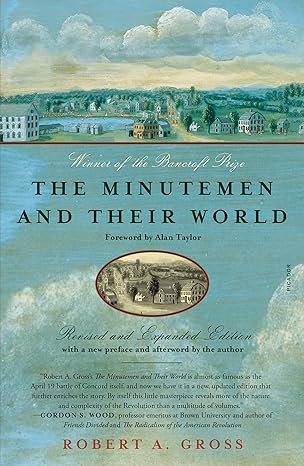
Dr. Robert Gross
No concord in Concord!
In 1775, Concord was far from a quiet rural town. Long before the “shot heard ’round the world,” it was a highly organized community under severe strain.
Yet, few were compelled to join the militia or Minutemen — until a “rude awakening” convinced Concord to take up arms.
Dr. Sophia Rosenfeld
Intellectual Foundations
Revolutions are rare. Why would anyone risk everything to start a revolution? Do ideas start revolutions? Did the Enlightenment cause the American Revolution? Was it the Enlightenment — or Enlightenments?
A revolution in thinking during the Age of Revolutions and Age of Reason.
Dr. Serena Zabin
Rethinking the Boston Massacre
How did conspiracy theories and propaganda shape the Boston Massacre? Examining John Adams’ defense of British soldiers (was it ethical or political?) and Paul Revere’s enduring influence.
A Broken Imperial Family: Love, Marriage, and Daily Life Before the “Massacre”
Dr. Dael Norwood
The China Effect
Why the Boston Tea Party became a revolutionary flashpoint?
From the American colonies’ consumer revolution and fascination with Chinese luxury goods to smuggling networks and post-independence strategies to out-compete British trade in China.
Dr. Robert Gross
No concord in Concord!
In 1775, Concord was far from a quiet rural town. Long before the “shot heard ’round the world,” it was a highly organized community under severe strain.
Yet, few were compelled to join the militia or Minutemen — until a “rude awakening” convinced Concord to take up arms.