AAR Scholars

Structured interviews with leading guest scholars on the American Revolution

Featured Scholar

Dr. John G. McCurdy

The background image highlights the scholar featured in the most recently published interview.

For interviews that are scheduled or not yet released, the AAR logo appears in place of the featured image in the scholars’ profiles below. These are updated as new interviews are published.

A Network of Scholars Interpreting
the American Revolution

In Analyzing American Revolution, 33 scholars — and counting — explore the Revolution from 33 distinct and often competing perspectives through in-depth video interviews with Adel Aali.

Scholars featured on AAR represent a range of themes and perspectives, reflecting the program’s commitment to rigorous and diverse historical inquiry.

Below is a growing list of historians and scholars who have contributed to the program, with links to their interview pages—each serving as a reference guide to their work and participation, including their biography, major publications, the full interview with timestamped highlights and transcript, and related materials from across the series, listed in order of publication from earliest to most recent.

Updated: May 27, 2026

AAR is a series of History Behind News Program
217+ scholars interviewed

—The American Revolution—
33 Scholars. 33 Perspectives.

Dr. Sophia Rosenfeld

University of Pennsylvania

The Enlightenment and Intellectual Foundations of the American Revolution

Did Enlightenment ideas cause the American Revolution—or simply give it language and meaning?

“But he’s insisting that both there’s nothing particularly radical in what he’s arguing, because anyone with common sense would know it, and also that ordinary people could probably rule on their own just fine.” Dr. Rosenfeld (00:34:08)

The Interview

S1E1 AAR

Image of Dr. Sophia Rosenfeld in interview with AARevolution.net
Cover of Dr. Sophia Rosenfeld's book "The Age of Choice: A History of Freedom in the Modern World"

Dr. Serena Zabin

Carleton College

The Boston Massacre Reconsidered: Was It A Massacre?

How did a street shooting become powerful and enduring revolutionary propaganda?

“But really, what I came to realize is that the, you know, the things that we can know, are not necessarily the things that the parties at the time cared about hiding.” Dr. Zabin (00:25:24)

The Interview

S1E2 AAR

Image of Dr. Serena Zabin during interview with AARevolution.net about what really happened in the Boston Massacre.
Cover image of "The Boston Massacre: A Family History", Dr. Serena Zabin's book discussed in this interview.

Dr. Dael Norwood

University of Delaware

The Boston Tea Party: Why China Mattered to the American Revolution

If China entered colonial life through empire and consumer desire, how did that connection shape both the American Revolution and the national state that followed?

“I should also say that part of what’s going on in the colonies, and part of what, you know, intersects with the revolution is that colonists are inveterate smugglers… Dr. Norwood (00:11:37)

The Interview

S1E3 AAR

Book cover of "Trading in Freedom: How Trade with China Defined Early America" by Dael Norwood.

Dr. Robert Gross

University of Connecticut

Concord’s Crisis: A Town Pushed to the Edge Long Before the Revolution

—How did a town already fractured by internal conflict, generational strain, and a failing ability to reproduce its inherited way of life become the site where British interference turned crisis into organized rebellion?

“And they hold a muster and they don’t get enough people.” Dr. Gross (00:11:45)

The Interview

S1E4 AAR

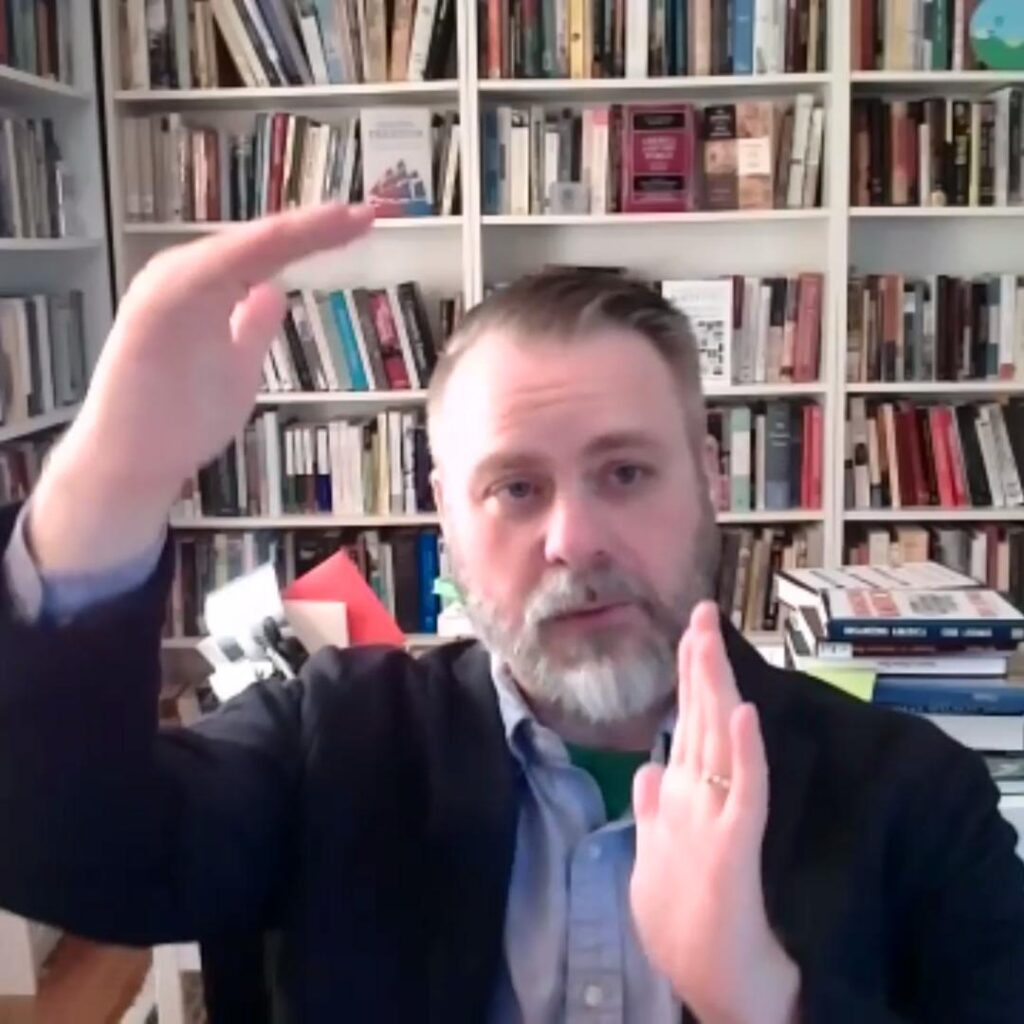
Image of Dr. Robert Gross in interview with AARevolution.net
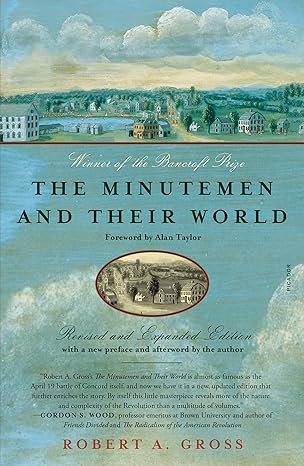
"The Minutemen and Their World"— Dr. Robert A. Gross (Interview Guest)

Dr. Harvey Kaye

University of Wisconsin—Green Bay

How Thomas Paine Became Thomas Paine and How "Common Sense" Transformed America

—Was Thomas Paine the essential voice of American independence, or the Revolution’s most dangerous radical—the figure who not only pushed the colonies to break from Britain, but also forced Americans to confront how far popular self-government, religious freedom, and human equality might actually go?

“But let me make it clear. During the Revolutionary War, people thought of ‘Common Sense’ as the document of independence.” Dr. Kaye (00:44:56)

The Interview

S1E5-6 AAR

Dr. Harvey Kaye during interview with Adel Aali in AARevolution.net
Cover image of "Thomas Paine and the Promise of America", a book by Prof. Harvey Kaye

Dr. Steven Pincus

University of Chicago

How Britain’s Imperial “Modernization” Shaped the American Revolution

—If Britain’s imperial modernization helped instigate the American Revolution, should it be understood as a distinct national event—or as one front in a broader, global struggle over how an empire should be reformed and governed?

“I think it was a revolution, but only a revolution if one realizes that it’s part of… it formed part of an imperial civil war in which the American aspect of it was the most successful.” Dr. Pincus (00:14:34)

The Interview

S1E7 AAR

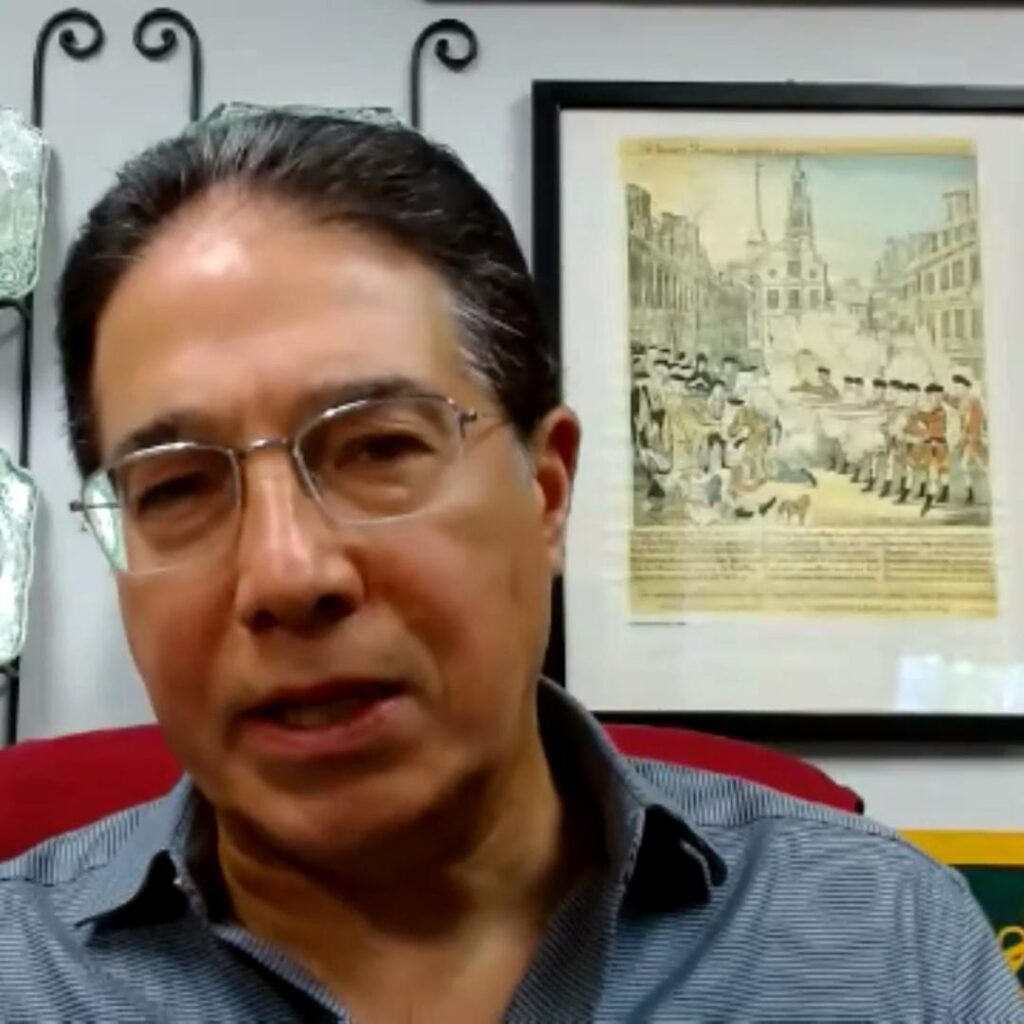
Picture of Dr. Steven Pincus during his interview with Adel Aali in AARevolution.net about the impact of the British perspective on the American Revolution
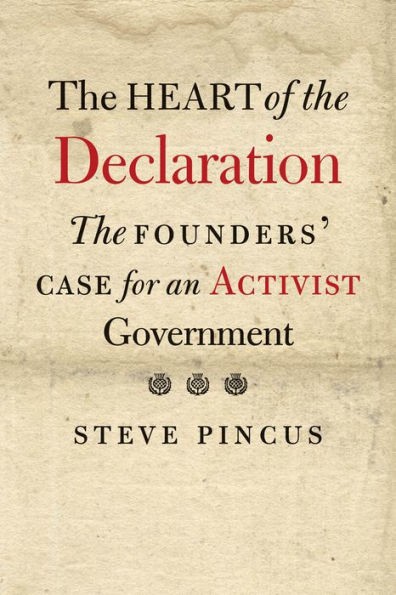
Cover image of "The Heart of the Declaration: The Founders’ Case for Activist Government", a book by Dr. Steven Pincus, a guest scholars in AARevolution.net program.

Dr. Rebecca Brannon

James Madison University

Was the American Revolution a Civil War? Story of American Loyalists

—If the American Revolution was driven by shared ideals of rights and self-governance, why did it fracture into a civil war in which many Americans—loyalists and patriots alike—held similar beliefs yet chose opposing sides?

“If it helps, John Adams famously said it was one-third, one-third, one-third, one-third patriot, one-third loyalist, and one-third in the middle. And there’s something to that. I would say it’s probably 25% patriot, 25% loyalist. Dr. Brannon (00:15:38)

The Interview

S1E8 AAR

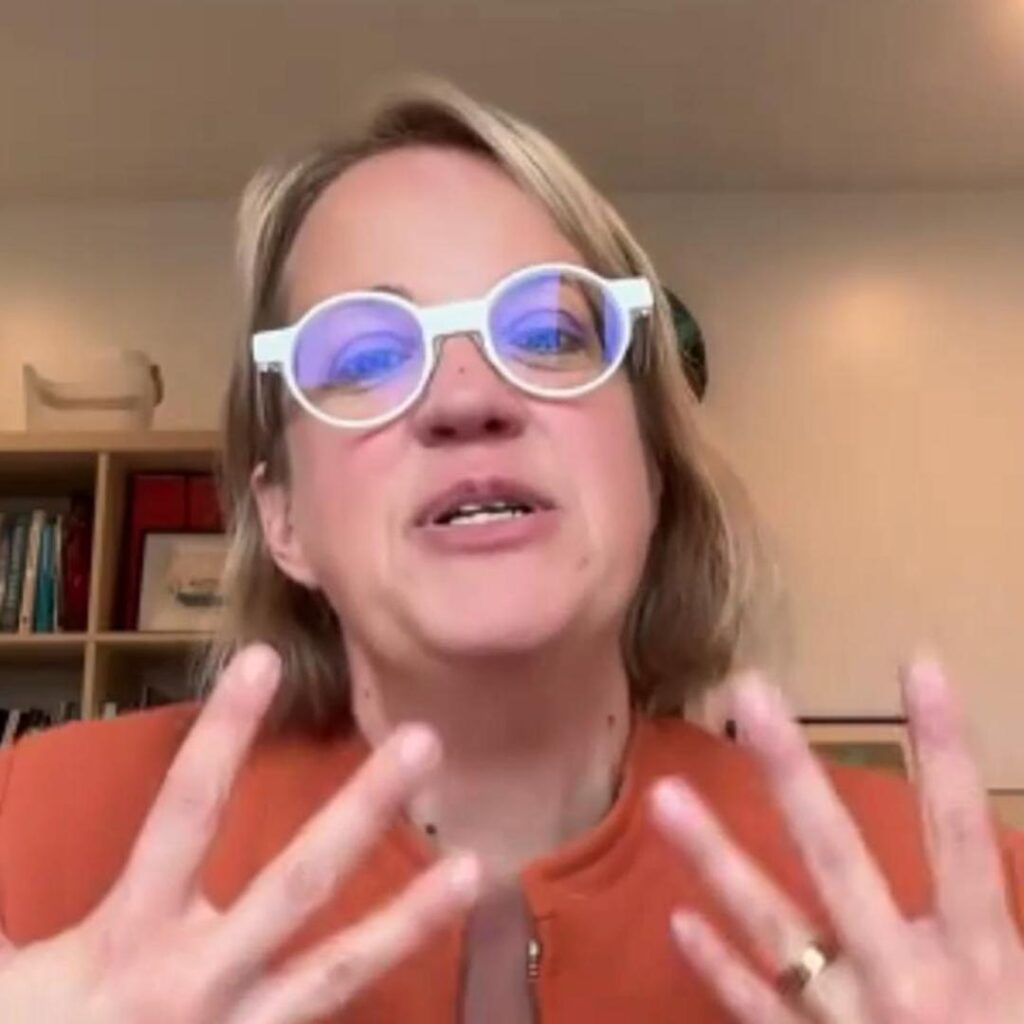
Picture of Dr. Rebecca Brannon during his interview with Adel Aali in AARevolution.net about the impact of the American Royalists on the American Revolution

Dr. David Silverman

George Washington University

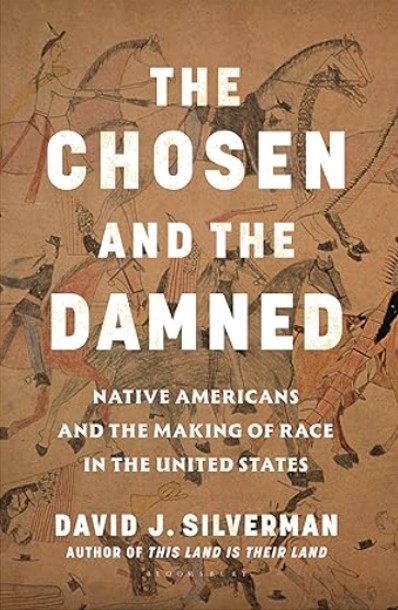
Native Americans in the American Revolution: The History We Didn’t Learn

—If Native peoples saw the Revolution as a “war between brothers” they sought to avoid, yet found neutrality impossible, does that expose the conflict not as a choice they made—but as a crisis that forced division, alignment, and survival on terms not their own?

“The Haudenosaunee’s Central Council fire in Onondaga, the site of modern day Syracuse, New York, had been burning as a symbol of the Confederacy of these people since before colonization…. for hundreds of years, they extinguished the council fire during the American Revolution and say, everyone can go their own way during this war and we’ll reunite after the war. That’s not what happens.” Dr. Silverman (00:33:34)

The Interview

S1E9 AAR

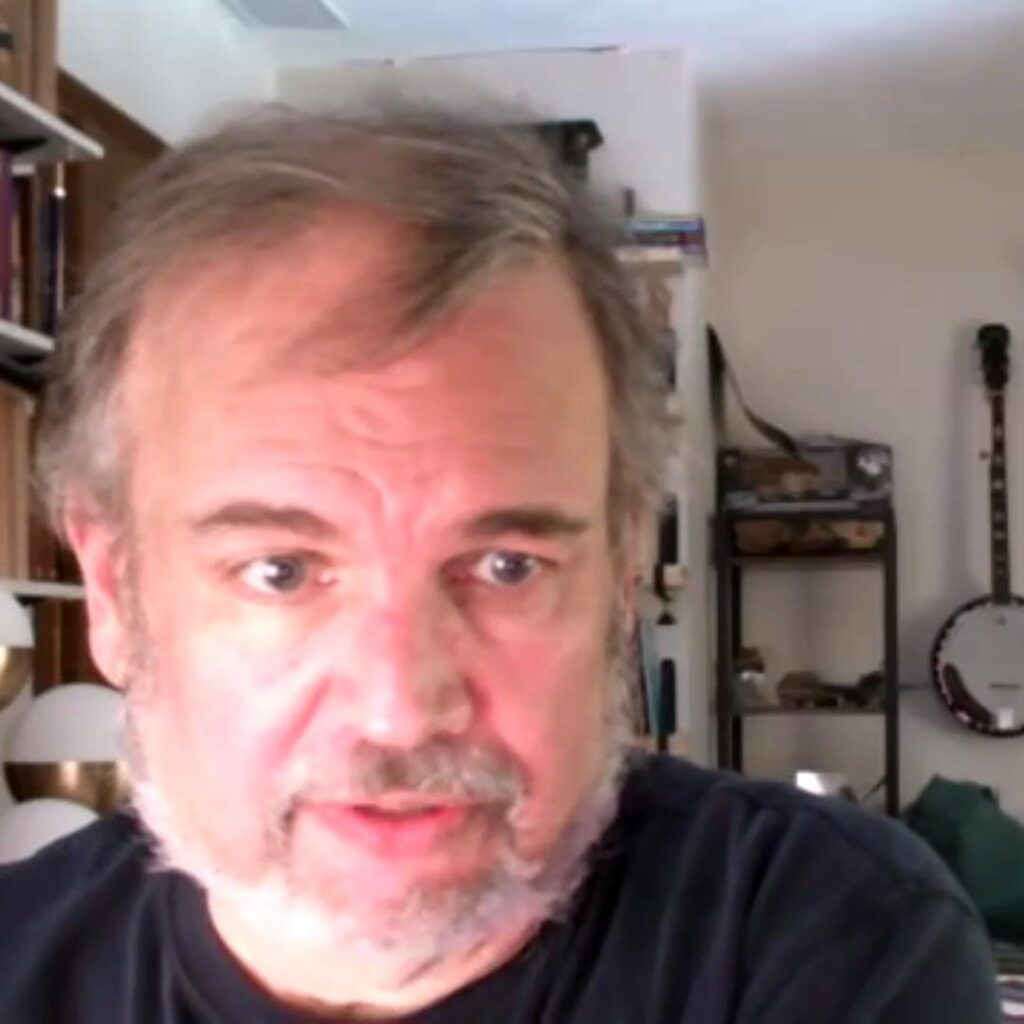
Picture of Dr. David Silverman during his interview with Adel Aali in AARevolution.net about the impact of the Native Americans on the American Revolution

Dr. Paul Lockhart

Wright State University

Steuben: How a Disgraced Prussian Volunteer Transformed America’s Struggling Army

If the American Revolution required the creation of political structures to sustain rebellion, does Steuben’s experience at Valley Forge reveal that its military success likewise depended not on battlefield heroics but on the imposition of administrative systems that transformed an ill-supplied and structurally deficient force into an army?

“In fact, I would argue there’s probably no general or no officer in the army at the end of the Valley Forge encampment and possibly at the end of the revolution who is better recognized, better known by the soldiers than Stubin.” Dr. Lockhart (00:54:35)

The Interview

S1E10 AAR

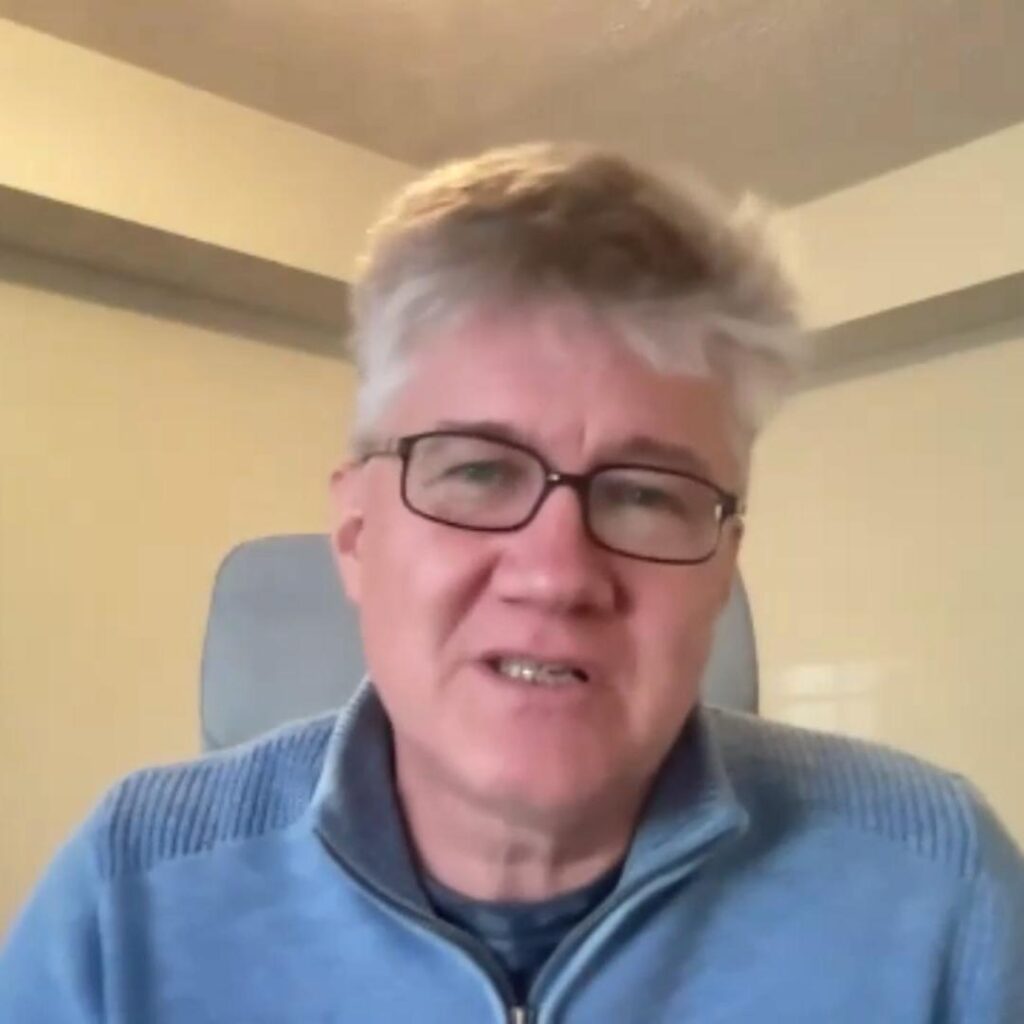
Picture of Dr. Paul Lockhart during his interview with Adel Aali in AARevolution.net about the impact of the Baron von Steuben on Valley Forge and the American Revolution
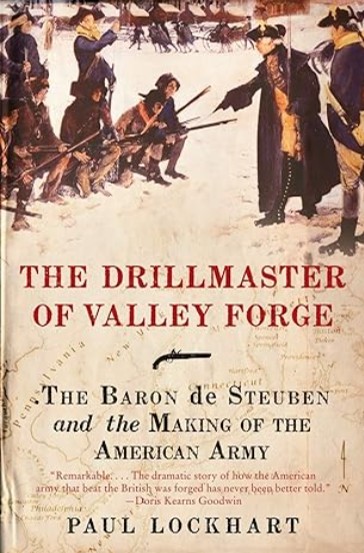
Cover image of "The Drillmaster of Valley Forge: The Baron de Steuben and the Making of the American Army", a book by Dr. Paul Lockhart, a guest scholars in AARevolution.net program.

Dr. Ivan Kurilla

Ohio State University

Russian Neutrality in the American Revolution: Fear, Strategy, and Opportunity

If the American Revolution simultaneously inspired Russian reformers as a model of liberty and alarmed the imperial state as a source of ideological subversion, how did these two competing traditions—imitation and suppression—shape Russia’s enduring relationship with the United States from its very inception?

“King George III asked Catherine to send her troops or Cossacks to North America to help suppress American uprising. And by the way, British propaganda already used the promise of coming Cossacks, you know, use this propaganda against colonists saying, you know, soon the Russians [are coming] and will suppress you.” Dr. Kurilla (00:26:02)

The Interview

S1E11 AAR

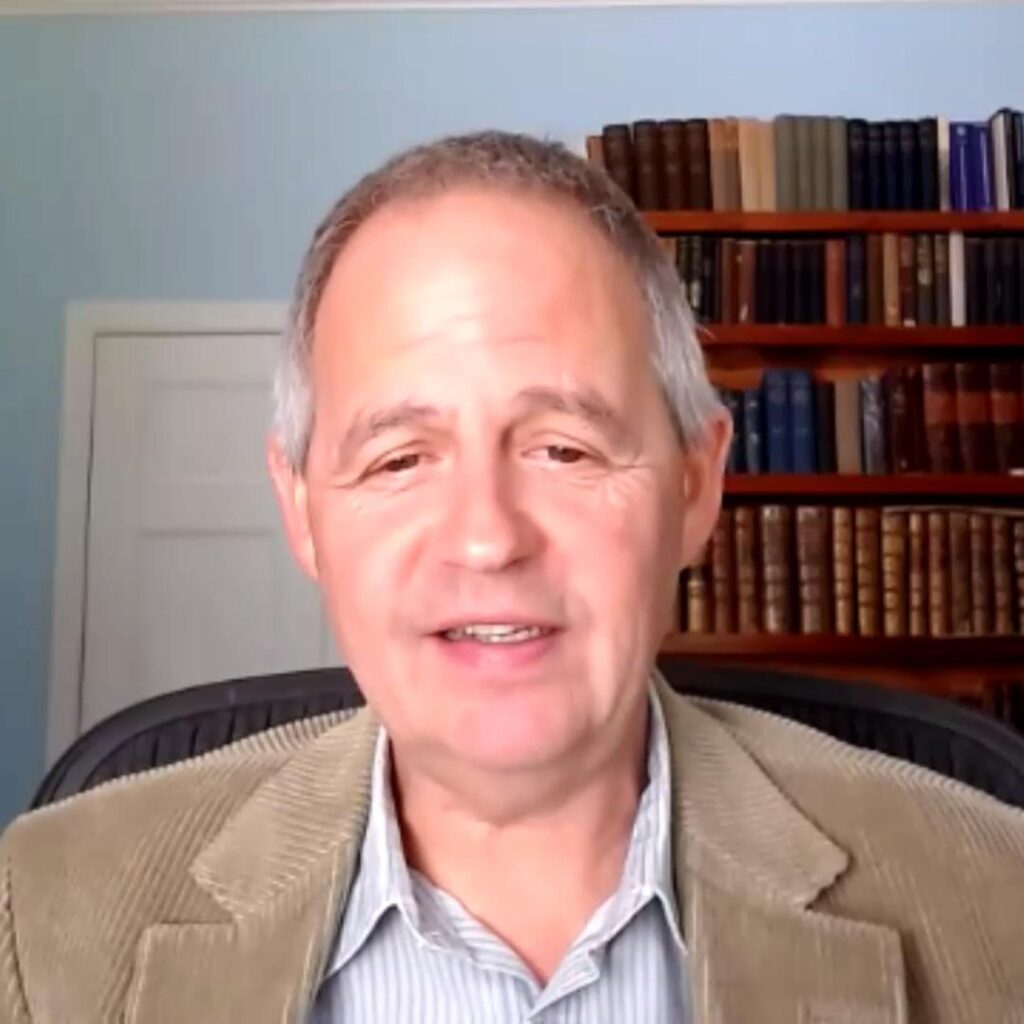
Picture of Dr. Ivan Kurilla during his interview with Adel Aali in AARevolution.net about the relationship between the Russian Empire and the American Revolution
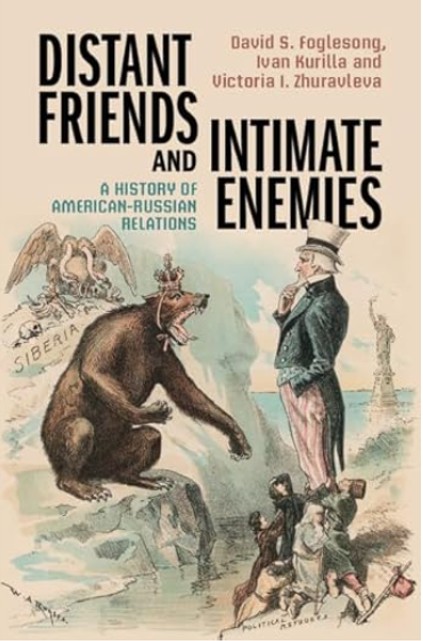
Cover image of " Distant Friends and Intimate Enemies: A History of American-Russian Relations", a book by Dr. Ivan Kurilla, a guest scholars in AARevolution.net program.

Dr. Rafe Blaufarb

Florida State University

Why France Backed the American Revolution (And Got Nothing in Return)

—If France entered the American Revolution not to advance American liberty but to wage a global war of revenge against Britain, how do we reconcile its decisive role in securing American independence with its inability to translate that intervention into lasting strategic advantage?

“Well, here’s the mindset of the French government. Coming out of the defeat, the humiliating, crushing defeat of the Seven Years’ War, the dominant mood in the French government among, really, the movers and shakers of that country is, really simple, revenge, revenge, revenge on England.” Dr. Blaufarb (00:10:58)

The Interview

S1E12 AAR

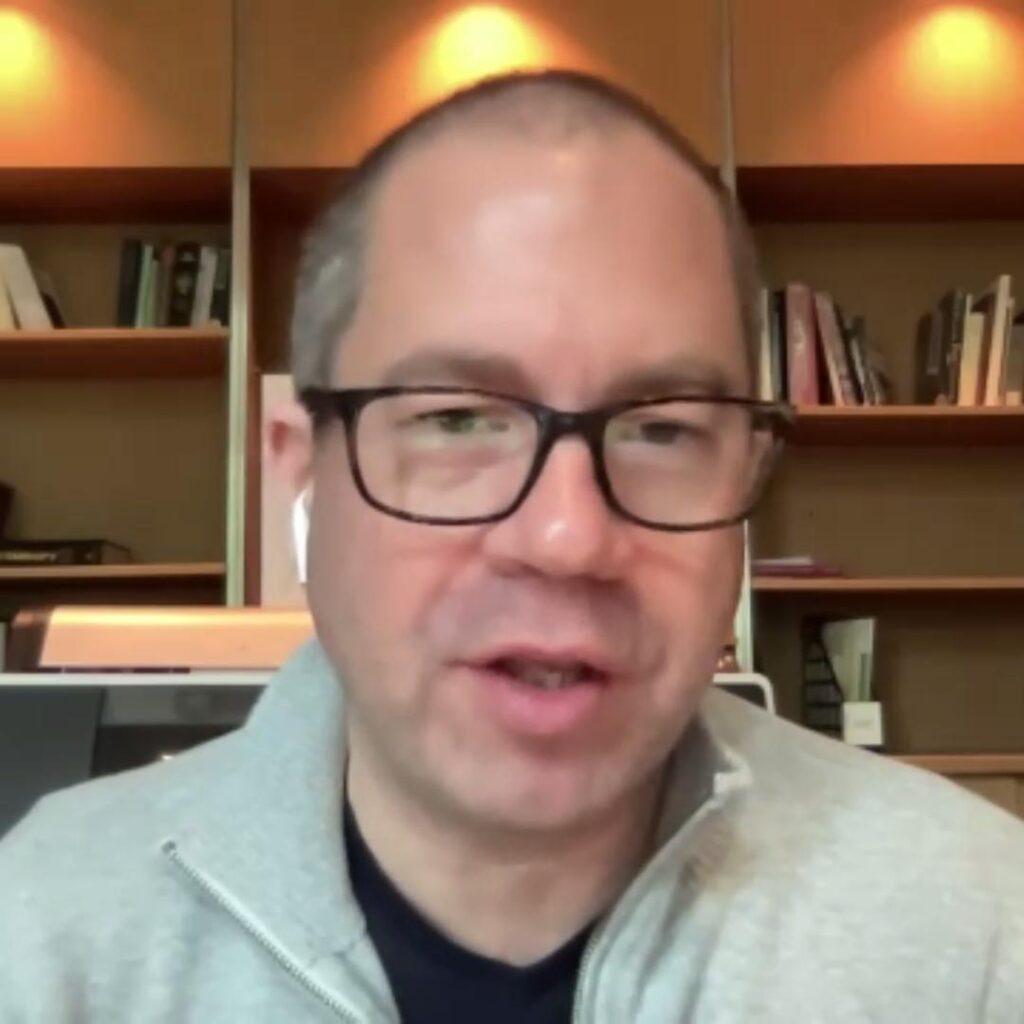
Picture of Dr. Rafe Blaufarb during his interview with Adel Aali in AARevolution.net about the relationship between the Russian Empire and the American Revolution
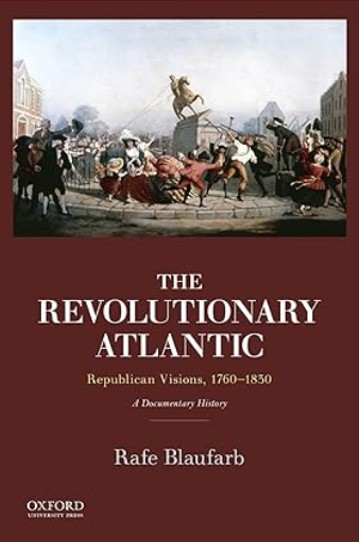
Cover image of "The Revolutionary Atlantic: Republican Visions, 1760-1830", a book by Dr. Rafe Blaufarb, a guest scholars in AARevolution.net program.

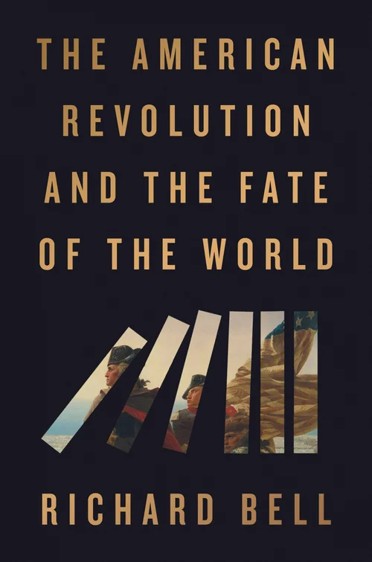
Dr. Richard Bell

University of Maryland, College Park

Rethinking King George III: the American Revolution From the British Perspective

—If George III was neither the absolutist tyrant imagined by the Declaration nor the commanding architect of British policy, what does his transformation from a constrained and ridiculed monarch into a Protestant “holy warrior” and protector of the British people reveal about the American Revolution as a crisis within a disunited British Empire?

“I think he’s having a real crisis of faith at that point, because we know that he will actually draft a letter of abdication, a letter of resignation to basically quit the royal family and go back to the German states where he was from.” Dr. Bell (00:14:58)

The Interview

S1E13 AAR

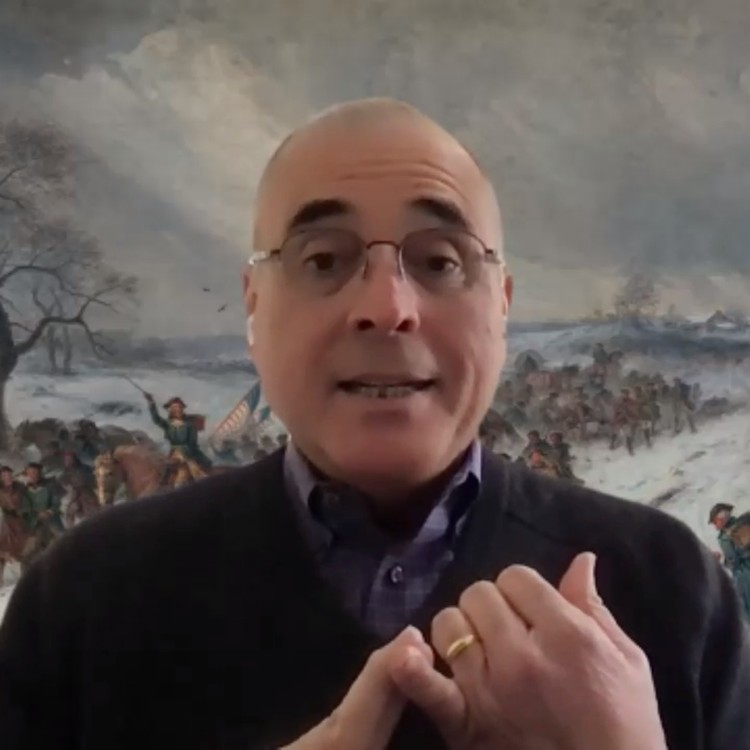
Picture of Dr. Richard Bell during his interview with Adel Aali in AARevolution.net about King George III and the British perspective on the American Revolution.

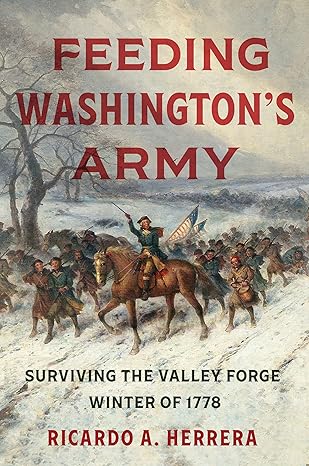
Dr. Ricardo Herrera

U.S. Army War College

Continental Soldier Citizens – America’s People’s Army

—If the Continental Army began as a conservative defense of English liberties, how did it become a “people’s army” that not only sustained the Revolution but helped transform provincial soldiers into Americans?

“That equated to roughly 20% of the male population. That’s the highest percentage in American history. World War II, 12%.” Dr. Herrera (01:04:22)

The Interview

S1E14 AAR

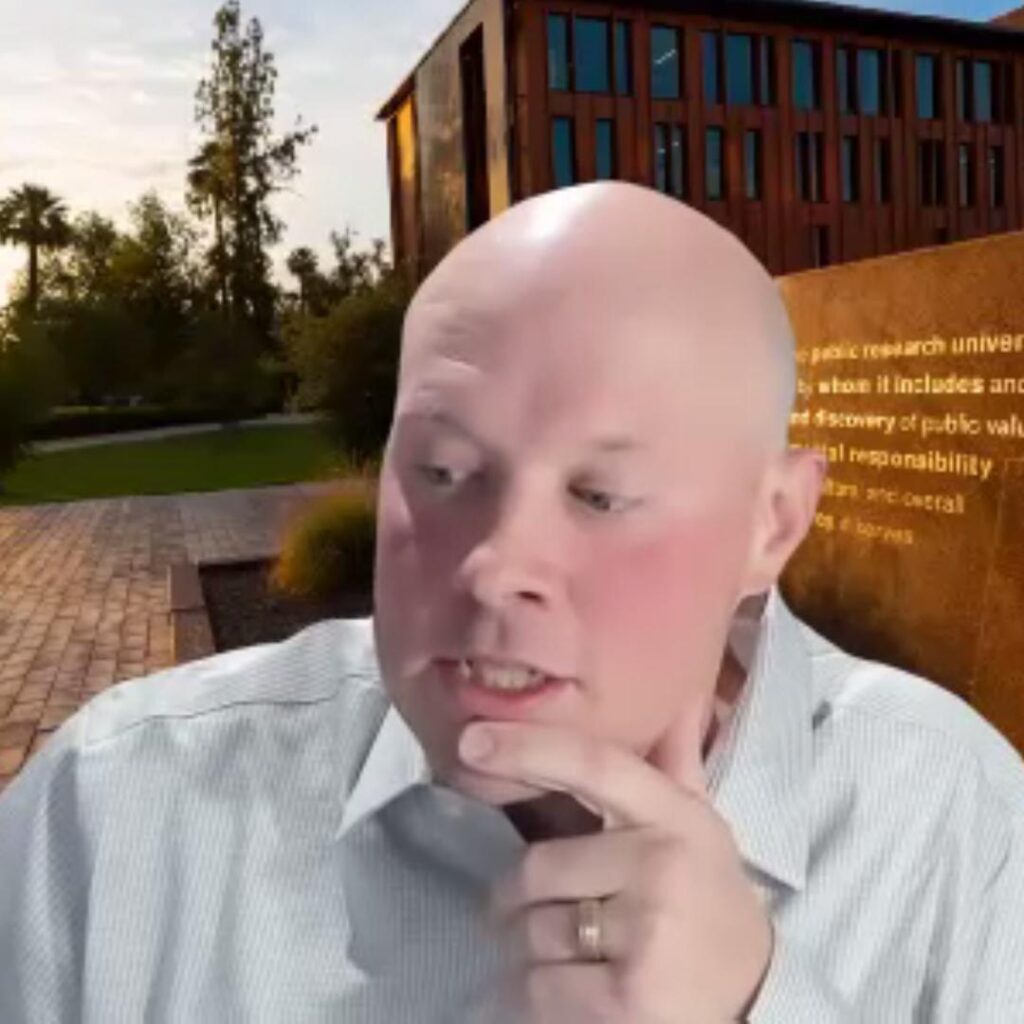
Dr. Peter Van Cleave

Arizona State University

The Dutch Dilemma: Supporting the American Revolution

—If the Dutch Republic claimed neutrality while its merchants, bankers, ports, and Patriots helped sustain the American Revolution, should we understand Dutch involvement as cautious neutrality, covert collaboration, or a fractured republic turning Atlantic commerce into revolutionary power?

“Neutrality is emerging out of that. And in fact… what the Dutch want more than anything is to trade with the British and trade with the Americans.” Dr. Van Cleave (00:47:24)

The Interview

S1E15 AAR

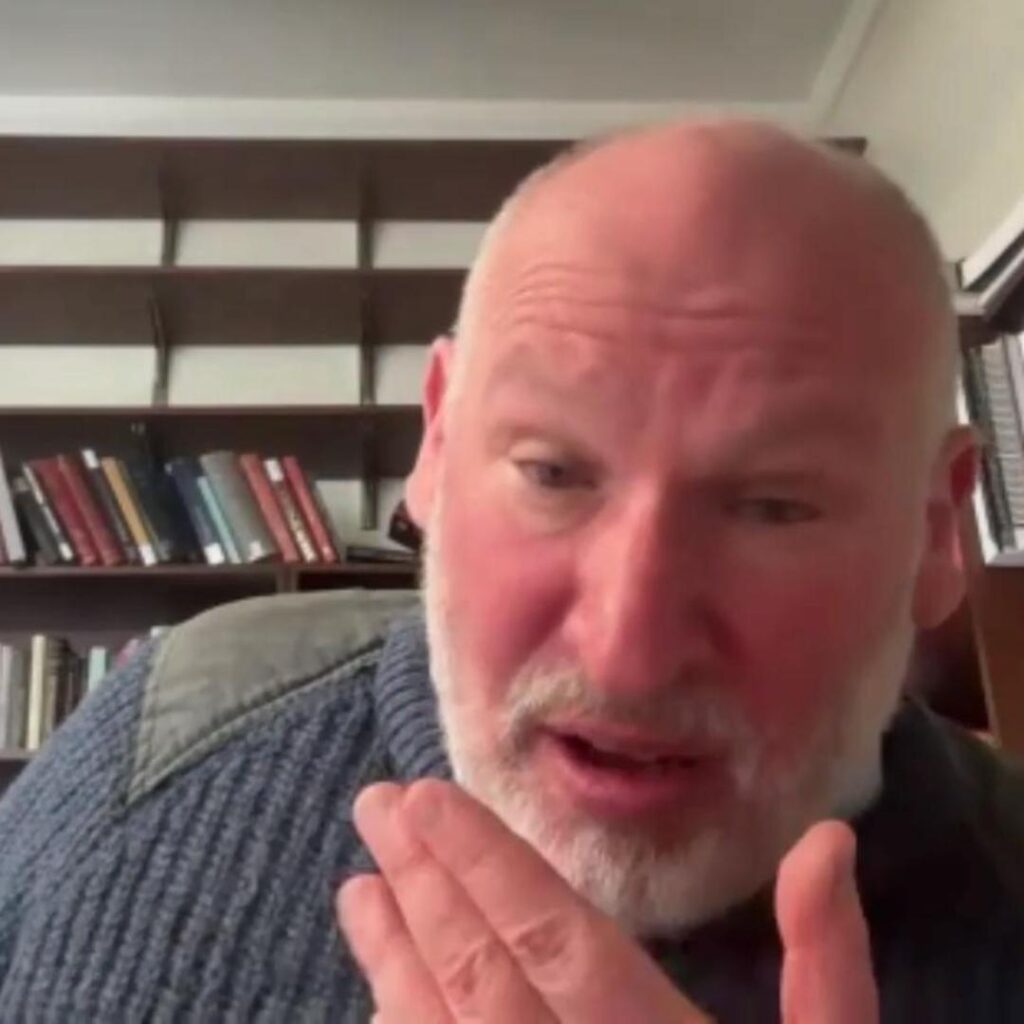
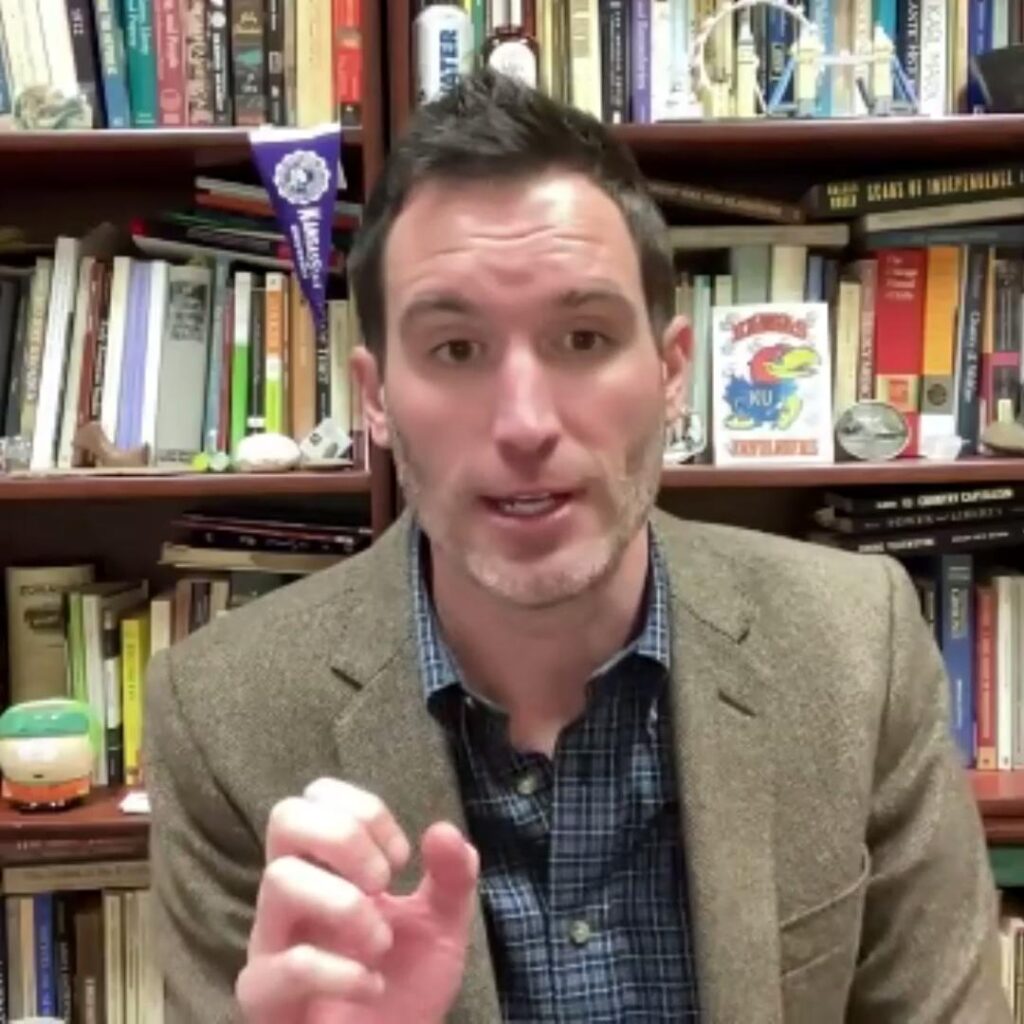
Image of Dr. Peter Van Clean in interview with Adel Aali in AARevolution.net

Dr. Kathleen Brown

University of Pennsylvania

The American Revolution Didn’t Free Women—It Strengthened Slavery

—If revolutionary ideology promised more freedom, why didn’t it expand women’s liberties—even marginally—and instead consolidate the authority of white male household heads, leaving women across racial and social hierarchies constrained or further subordinated?

“She, I think, is in a minority of elite white women who really hope that independence from Britain might bring transformations to the law that would diminish the authority, especially over household governance, of men, white men.”
Dr. Brown (53:22)

The Interview

S1E16 AAR

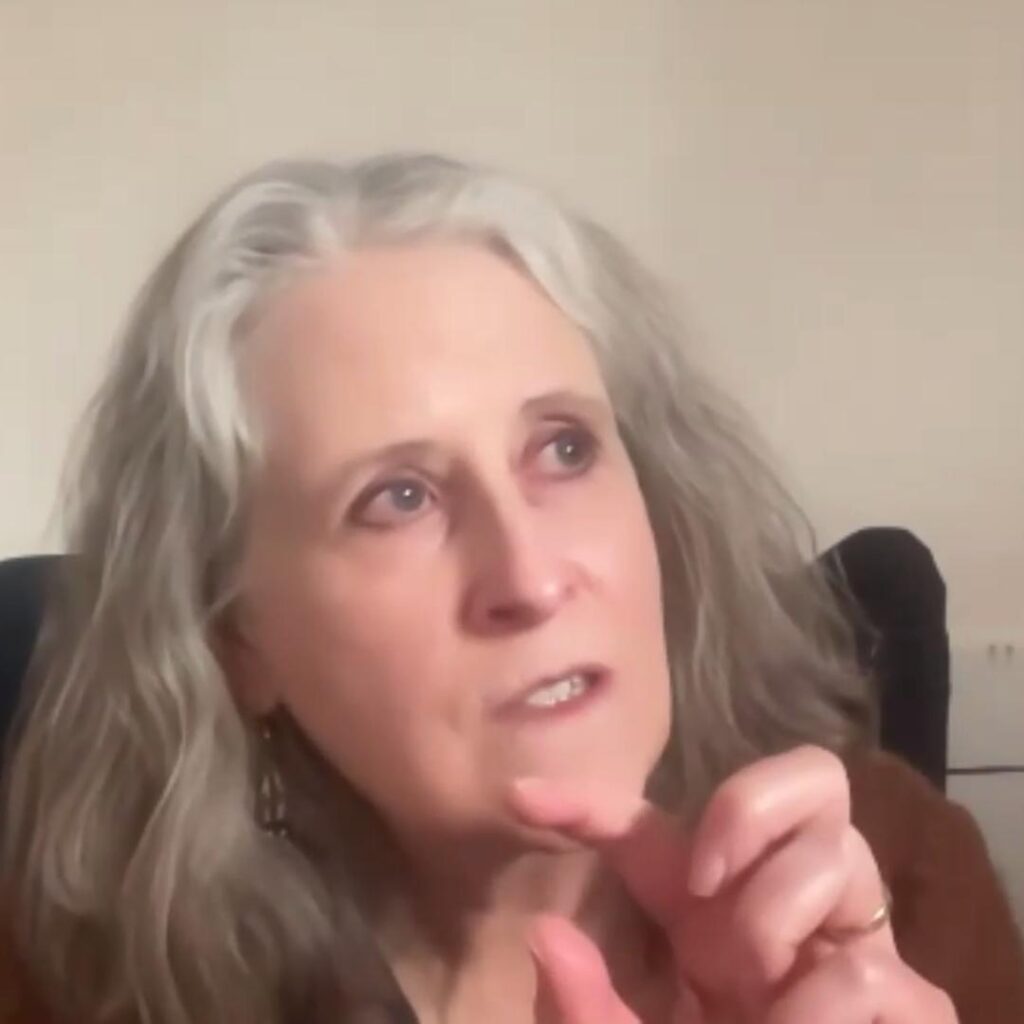
Image of Dr. Kathleen Brown in interview with Adel Aali in AARevolution.net
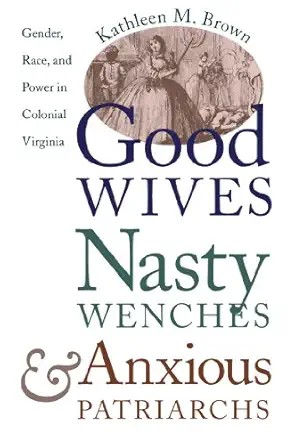
Cover image of "Good Wives, Nasty Wenches, and Anxious Patriarchs", a book by Dr. Kathleen Brown, a guest scholar in AARevolution.net

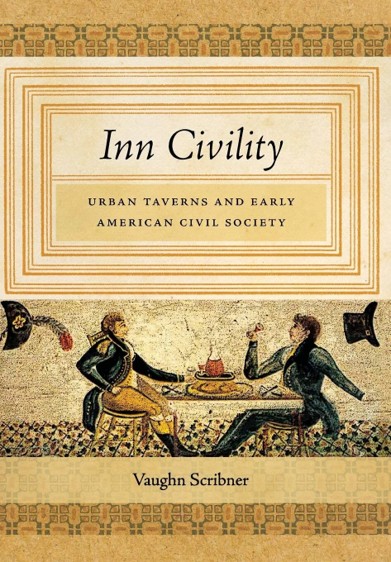
Dr. Vaughn Scribner

University of Central Arkansas

How Taverns Fueled the American Revolution

—How did taverns and pubs — ordinary, commercial, and often deeply British public spaces — become central sites for revolutionary communication, political mobilization, social conflict, and resistance to the British Empire?

“What role did taverns, and let me just add on pubs, play in the American Revolution? … I would argue they were perhaps the most fundamental spaces in the coming of the revolution.” Dr. Scribner (00:28:58)
The Interview

S1E17

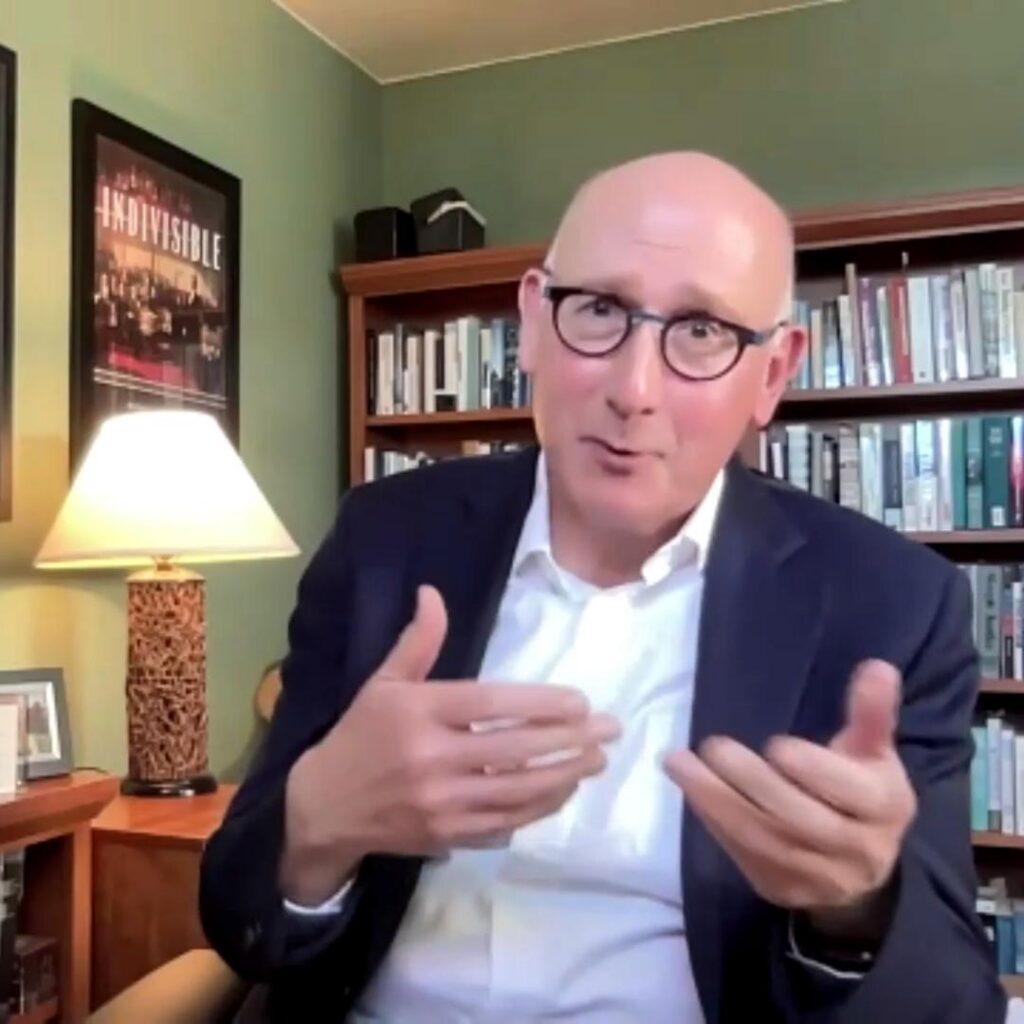
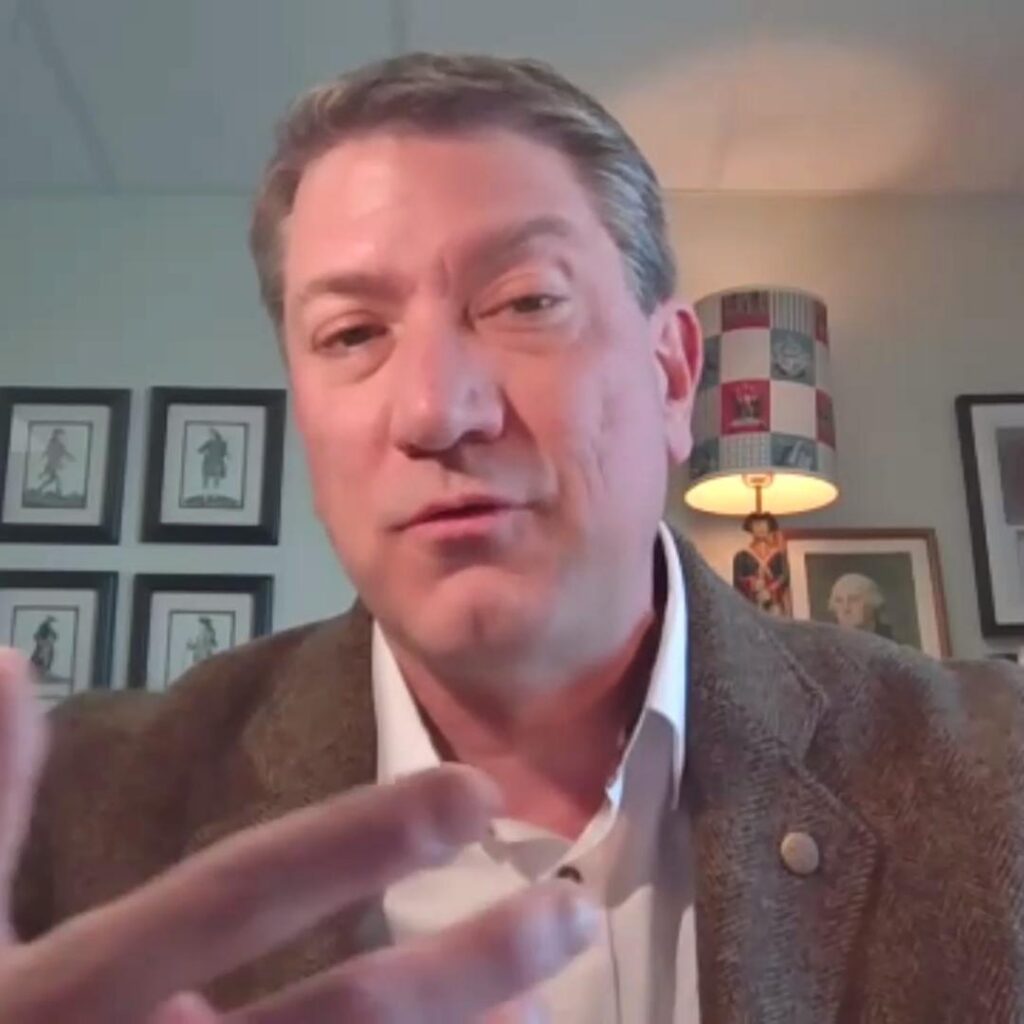
Picture of Dr. Vaughn Scribner during his interview with Adel Aali in AARevolution.net about taverns and pubs and the American Revolution.

Dr. Aaron S. Fogleman

Northern Illinois University

Was the American Revolution an Immigrant Revolution?

—Was the American Revolution fundamentally shaped by immigrants and their descendants rather than by a purely English colonial population, and how did immigration, land hunger, ethnic politics, religion, and imperial expansion transform the social and political tensions that led to revolution?

“No immigrants, no America.” Dr. Fogleman (00:58:42)
The Interview

S1E18

Picture of Dr. Aaron Fogleman during his interview with Adel Aali in AARevolution.net about immigration and the American Revolution. Visit AARevolution.net for more images of the American Revolution and for interviews of scholars with Adel Aali.
Book cover of "Hopeful Journeys", a book by Dr. Aaron Fogleman, a guest in Analyzing American Revolution. Visit AARevolution.net for more images of the American Revolution and for interviews of scholars with Adel Aali.

Prof. Joel Richard Paul

U.C. Law San Francisco

The Bizarre Plot That Armed the American Revolution

—How did a shopkeeper who spoke no French and had no international experience, a playwright, and a war hero at the center of one of Europe’s strangest gender scandals become part of the bizarre international plot that helped keep the American Revolution alive?

“What he doesn’t realize is that Bancroft is getting two salaries… one from Deane… and one from the British.” Prof. Paul (00:24:59)

The Interview

S1E19

Picture of Prof. Joel Richard Paul during his interview with Adel Aali in AARevolution.net about three unlikely allies in France who saved the American Revolution.
Cover image fo Prof. Joel Richard Paul's book titled 3. "Unlikely Allies: How a Merchant, a Playwright, and a Spy Saved the American Revolution", which is the subject of this interview. Visit AARevolution.net for more images of the American Revolution and for interviews of scholars with Adel Aali.

Dr. John G. McCurdy

Eastern Michigan University

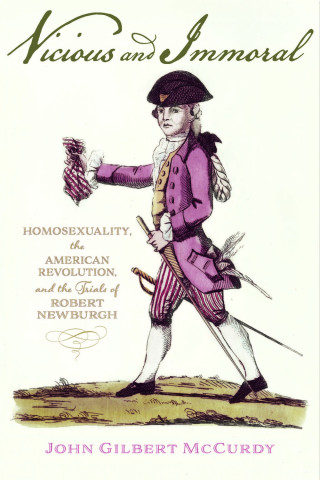
Homosexuality, Single Men and the American Revolution

—Did the American Revolution merely inherit British attitudes toward homosexuality and bachelorhood — or did it begin redefining citizenship, masculinity, and private life in ways that quietly separated the United States from the British Empire?

“Pennsylvania… one of the first acts Pennsylvania will do is to remove sodomy from being a capital crime.” Dr. McCurdy (24:19)


The Interview

S1E20

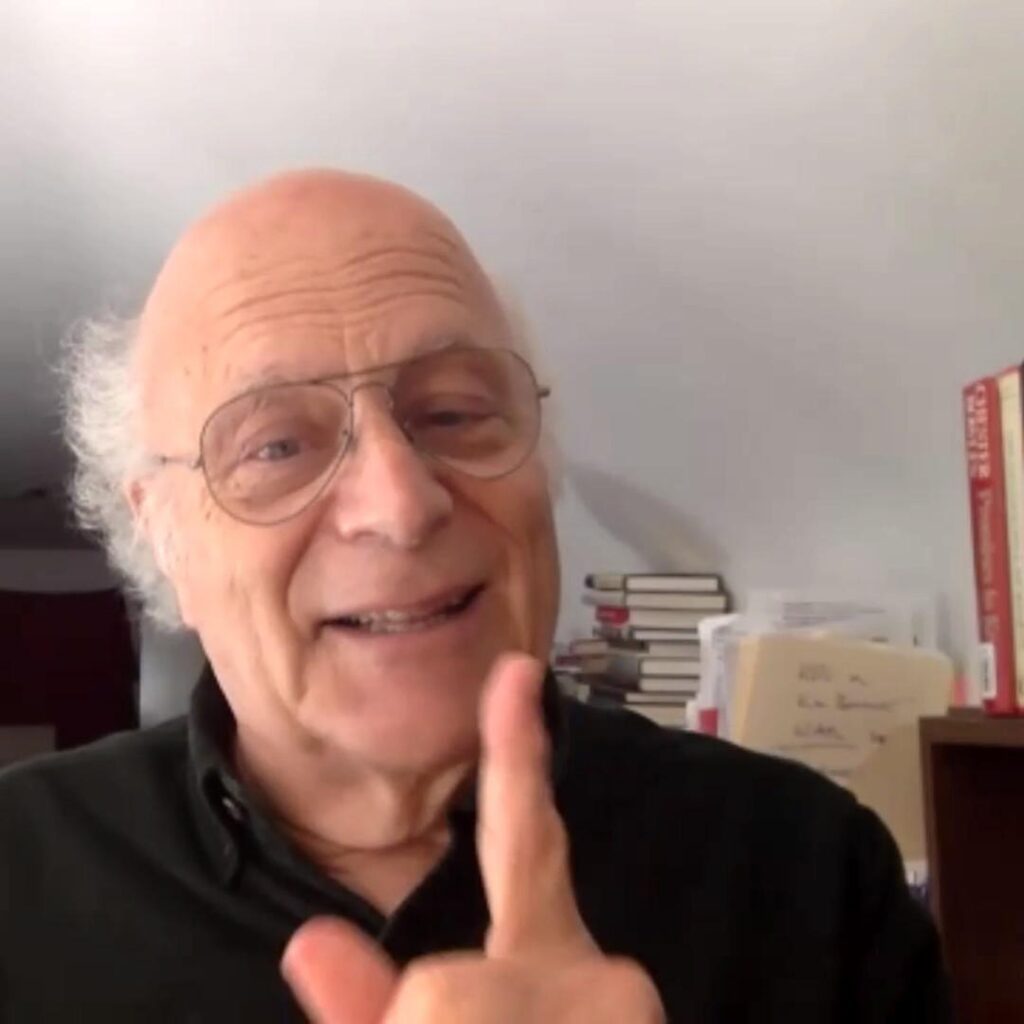
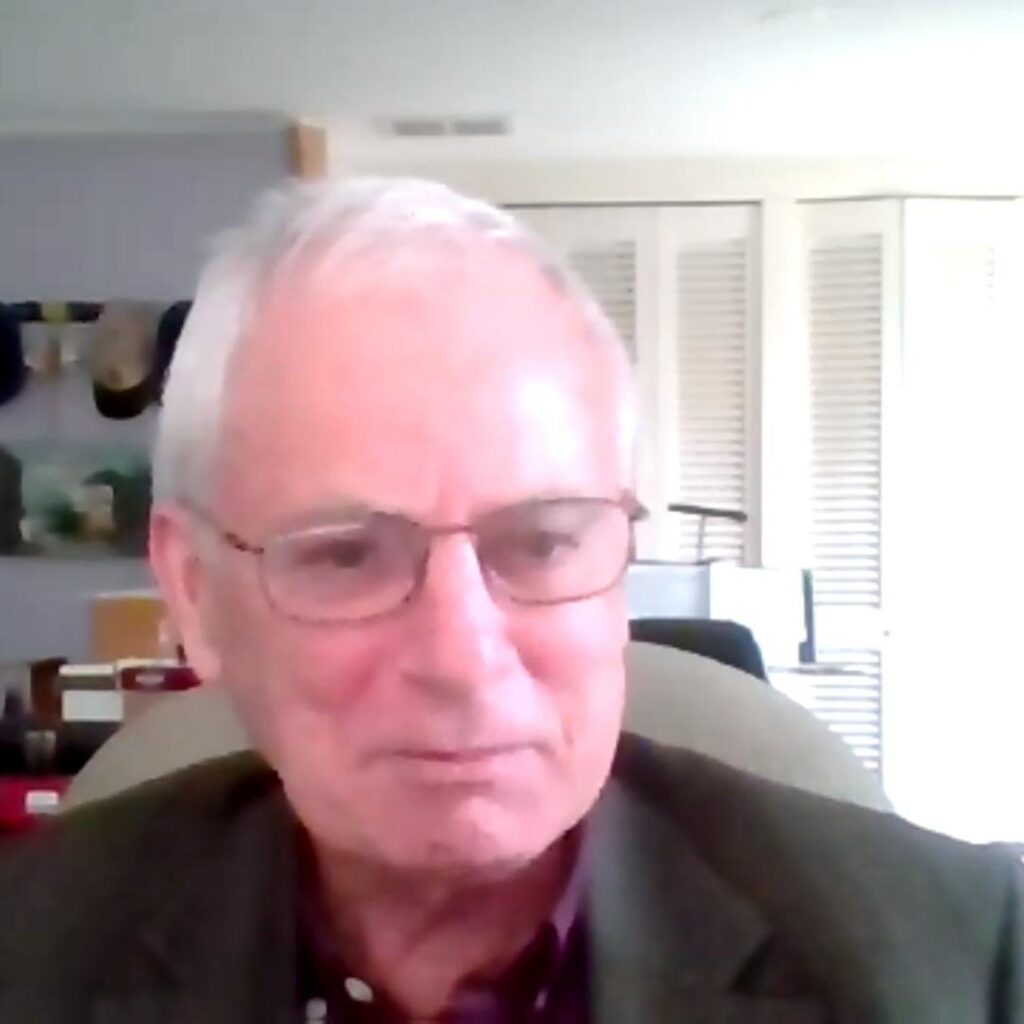
Picture of Dr. John G. McCurdy during his interview with Adel Aali in AARevolution.net about homosexuality and single men during the American Revolution.
A cover image for "Vicious and Immoral: Homosexuality, the American Revolution, and the Trials of Robert Newburgh," a book by Dr. John. G. McCurdy, a guest scholars in AARevolution.net program.

Dr. Katherine Carté

Southern Methodist University

Religion and the American Revolution

—This interview is in preparation and will be published soon.

The Interview

COMING SOON

Image of AAR letter logo. This is a placeholder for the picture of AAR's guest scholar when that interview with Adel Aali publishes in AARevolution.net
Generic image of a book titled "Scholar's Featured Book: Coming Soon". This is a placeholder for AAR's guest scholar's featured book when the interview published in the AARevolution.net program.

Dr. Gonzalo Quintero

Spanish Diplomat and Historian

Spain and the American Revolution

—This interview is in preparation and will be published soon.

The Interview

COMING SOON

Image of AAR letter logo. This is a placeholder for the picture of AAR's guest scholar when that interview with Adel Aali publishes in AARevolution.net
Generic image of a book titled "Scholar's Featured Book: Coming Soon". This is a placeholder for AAR's guest scholar's featured book when the interview published in the AARevolution.net program.

Dr. Christopher P. Magra

University of Tennessee

Maritime dimensions of the American Revolution

—This interview is in preparation and will be published soon.

The Interview

COMING SOON

Image of AAR letter logo. This is a placeholder for the picture of AAR's guest scholar when that interview with Adel Aali publishes in AARevolution.net
Generic image of a book titled "Scholar's Featured Book: Coming Soon". This is a placeholder for AAR's guest scholar's featured book when the interview published in the AARevolution.net program.

Dr. Jonathan Singerton

Vrije Universiteit Amsterdam

The Habsburg Monarchy and the American Revolution

—This interview is in preparation and will be published soon.

The Interview

COMING SOON

Image of AAR letter logo. This is a placeholder for the picture of AAR's guest scholar when that interview with Adel Aali publishes in AARevolution.net
Generic image of a book titled "Scholar's Featured Book: Coming Soon". This is a placeholder for AAR's guest scholar's featured book when the interview published in the AARevolution.net program.

Dr. Jeffers Lennox

Wesleyan University

Canada and the American Revolution

—This interview is in preparation and will be published soon.

The Interview

COMING SOON

Image of AAR letter logo. This is a placeholder for the picture of AAR's guest scholar when that interview with Adel Aali publishes in AARevolution.net
Generic image of a book titled "Scholar's Featured Book: Coming Soon". This is a placeholder for AAR's guest scholar's featured book when the interview published in the AARevolution.net program.

Dr. Daniel Krebs

U.S. Army War College

Hessians and the American Revolutionn

—This interview is in preparation and will be published soon.

The Interview

COMING SOON

Image of AAR letter logo. This is a placeholder for the picture of AAR's guest scholar when that interview with Adel Aali publishes in AARevolution.net
Generic image of a book titled "Scholar's Featured Book: Coming Soon". This is a placeholder for AAR's guest scholar's featured book when the interview published in the AARevolution.net program.

Dr. Farley Grubb

University of Delaware

Financing the American Revolution

—This interview is in preparation and will be published soon.

The Interview

COMING SOON

Image of AAR letter logo. This is a placeholder for the picture of AAR's guest scholar when that interview with Adel Aali publishes in AARevolution.net
Generic image of a book titled "Scholar's Featured Book: Coming Soon". This is a placeholder for AAR's guest scholar's featured book when the interview published in the AARevolution.net program.

Dr. Nathan Perl-Rosenthal

University of Southern California

Sailors, Seamen, Mariners and the American Revolution

—This interview is in preparation and will be published soon.

The Interview

COMING SOON

Image of AAR letter logo. This is a placeholder for the picture of AAR's guest scholar when that interview with Adel Aali publishes in AARevolution.net
Generic image of a book titled "Scholar's Featured Book: Coming Soon". This is a placeholder for AAR's guest scholar's featured book when the interview published in the AARevolution.net program.

Prof. Carlton F.W. Larson

U.C. Davis Law

Trials and Treason in the American Revolution

—This interview is in preparation and will be published soon.

The Interview

COMING SOON

Image of AAR letter logo. This is a placeholder for the picture of AAR's guest scholar when that interview with Adel Aali publishes in AARevolution.net
Generic image of a book titled "Scholar's Featured Book: Coming Soon". This is a placeholder for AAR's guest scholar's featured book when the interview published in the AARevolution.net program.

Dr. Friederike Baer

Penn State Abington College

German Soldiers in the Revolutionary War

—This interview is in preparation and will be published soon.

The Interview

COMING SOON

Image of AAR letter logo. This is a placeholder for the picture of AAR's guest scholar when that interview with Adel Aali publishes in AARevolution.net
Generic image of a book titled "Scholar's Featured Book: Coming Soon". This is a placeholder for AAR's guest scholar's featured book when the interview published in the AARevolution.net program.

Dr. Eliga H. Gould

University of New Hampshire

The 1783 Treaty of Paris

—This interview is in preparation and will be published soon.

The Interview

COMING SOON

Image of AAR letter logo. This is a placeholder for the picture of AAR's guest scholar when that interview with Adel Aali publishes in AARevolution.net
Generic image of a book titled "Scholar's Featured Book: Coming Soon". This is a placeholder for AAR's guest scholar's featured book when the interview published in the AARevolution.net program.

Dr. Edward J. Larson

Pepperdine University, Caruso School of Law

Why 1776 Matters

—This interview is in preparation and will be published soon.

The Interview

COMING SOON

Image of AAR letter logo. This is a placeholder for the picture of AAR's guest scholar when that interview with Adel Aali publishes in AARevolution.net
Generic image of a book titled "Scholar's Featured Book: Coming Soon". This is a placeholder for AAR's guest scholar's featured book when the interview published in the AARevolution.net program.

Dr. Michael D. Hattem

Historian of the American Revolution and Popular Memory

The Memory of 1776

—This interview is in preparation and will be published soon.

The Interview

COMING SOON

Image of AAR letter logo. This is a placeholder for the picture of AAR's guest scholar when that interview with Adel Aali publishes in AARevolution.net
Generic image of a book titled "Scholar's Featured Book: Coming Soon". This is a placeholder for AAR's guest scholar's featured book when the interview published in the AARevolution.net program.

Salina Beth Baker

Historian of the American Revolution

Nathanael Greene

—This interview is in preparation and will be published soon.

The Interview

COMING SOON

Image of AAR letter logo. This is a placeholder for the picture of AAR's guest scholar when that interview with Adel Aali publishes in AARevolution.net
Generic image of a book titled "Scholar's Featured Book: Coming Soon". This is a placeholder for AAR's guest scholar's featured book when the interview published in the AARevolution.net program.

Think You Know the American Revolution?

images stating "Test your revolutionary knowledge against scholars", in AARevolution.net website.