
The Bizarre Plot That Armed the American Revolution
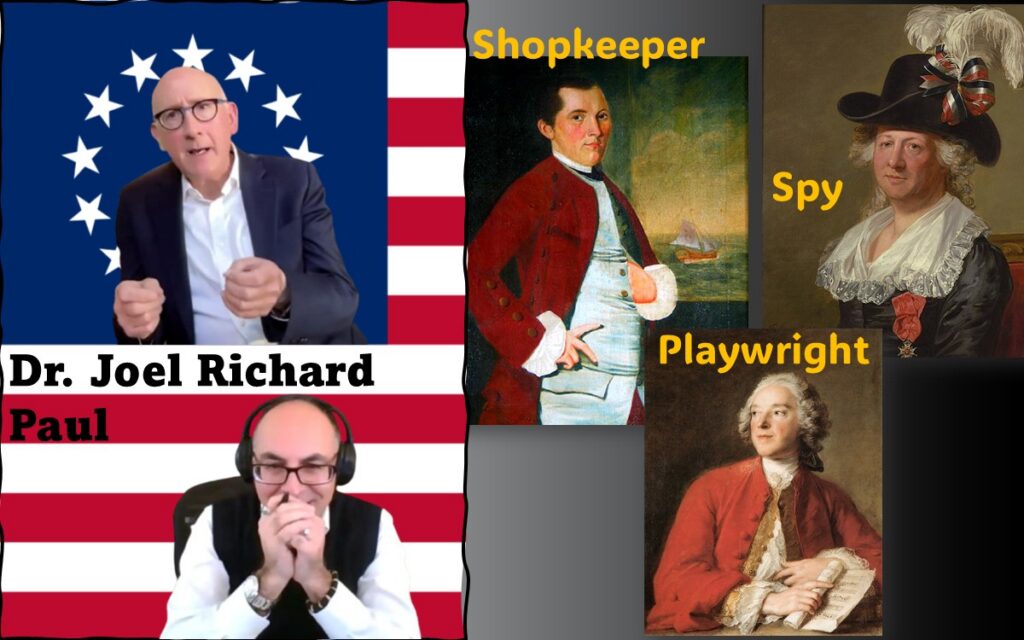
Introduction In this interview: “What he doesn’t realize is that Bancroft is getting two salaries… one from Deane… and one from the British.” Watch this segment in the video below (00:24:59) Why did Benjamin Franklin send a Connecticut shopkeeper who spoke no French and had hardly traveled outside of Connecticut to France? How and why […]
First British Royalty to Visit the American Colonies
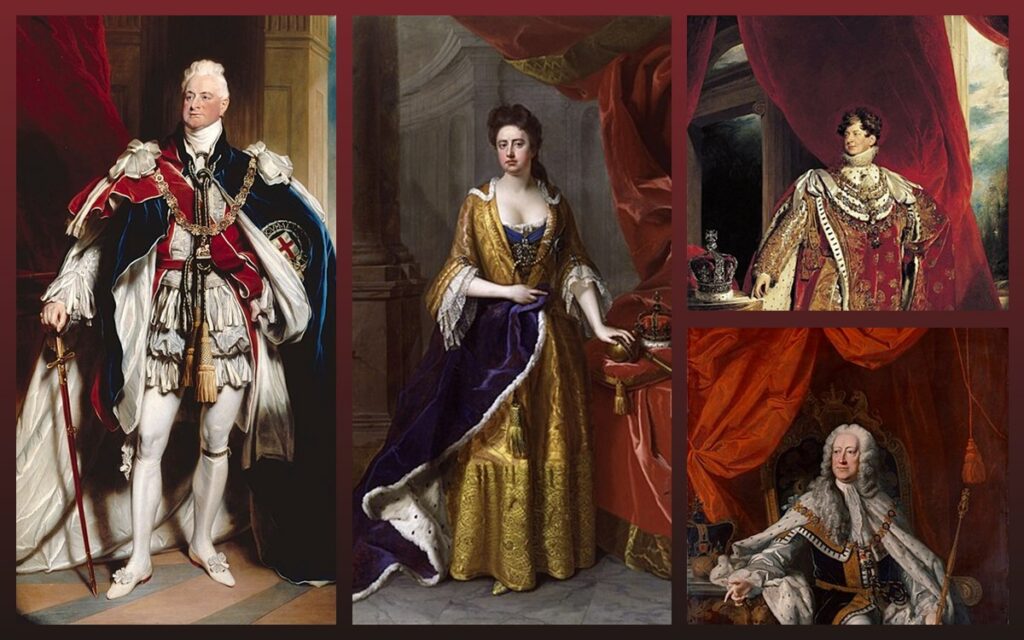
The First Member of the British Royalty to Visit the American Colonies One of the lesser-known episodes of the American Revolution involved the future William IV (r. 1830 to 1837), then known as Prince William Henry, who became the first and only member of Britain’s royal family to visit the American colonies. Arriving in British-occupied […]
Was the American Revolution an Immigrant Revolution?
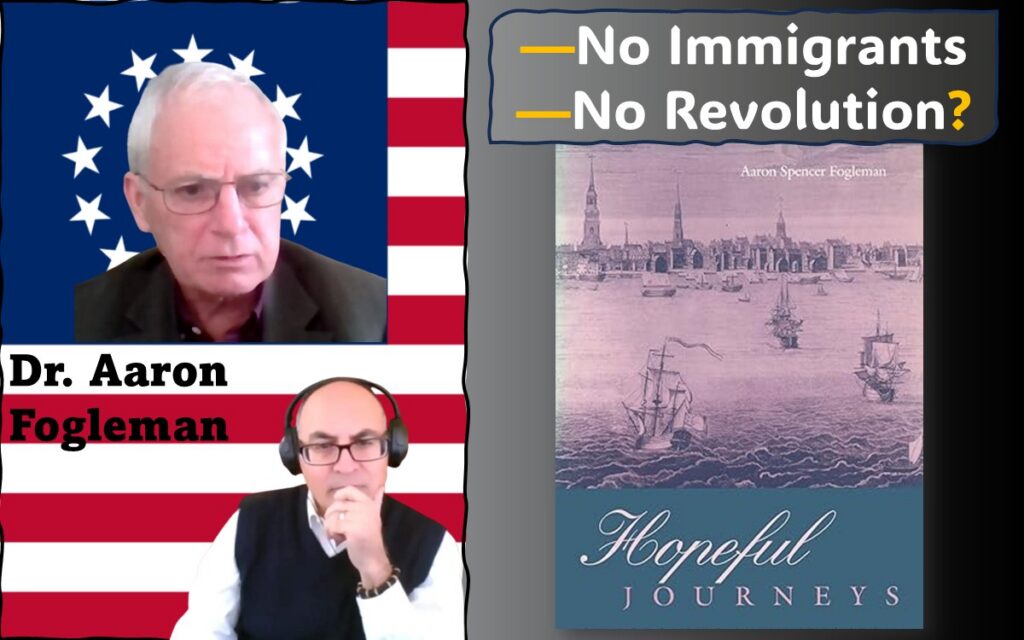
Introduction In this interview: “No immigrants, no America.” Watch this segment in the video below (00:58:42) Wait… what? Wasn’t the American Revolution mainly an English colonial story? If not, then what role did immigrants actually play? And how many immigrants were even living in the colonies by 1775? Why were Germans taking loyalty oaths to […]
The Real Revolution in “Common Sense”
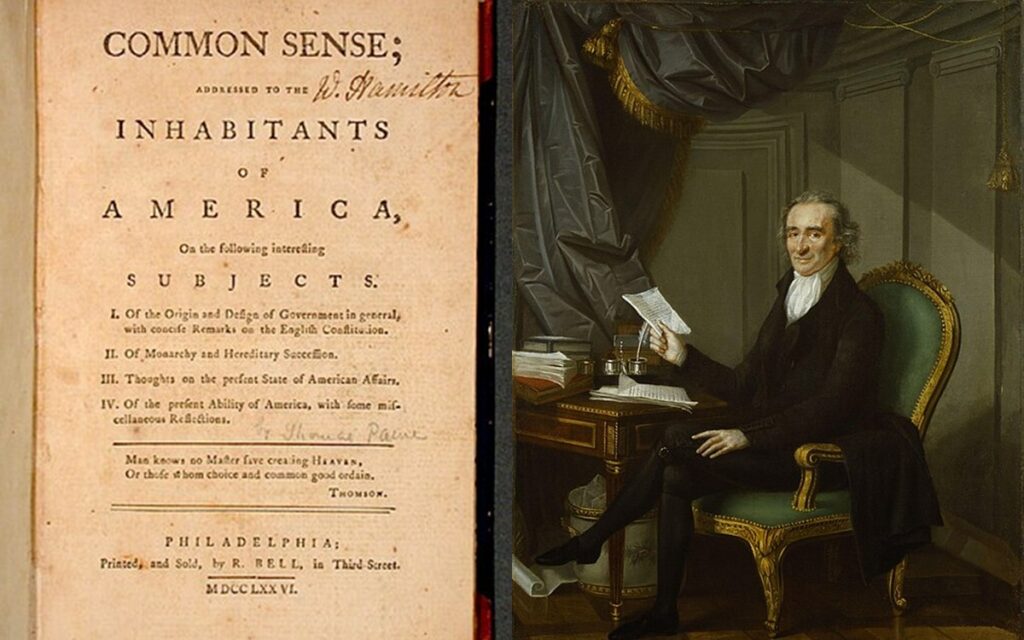
Thomas Paine Didn’t Just Call for Independence — He Tried to Destroy the Idea of Kings By early 1776, many American colonists were angry with Britain — but that did not necessarily mean they opposed monarchy itself. In fact, many still believed kings were natural, legitimate, even divinely sanctioned rulers. That is what makes Thomas […]
How Taverns Fueled the American Revolution

Introduction In this interview: “What role did taverns, and let me just add on pubs, play in the American Revolution? … I would argue they were perhaps the most fundamental spaces in the coming of the revolution.” Watch this segment in the video below (00:28:58). Taverns and pubs were among the central gathering places of […]
The First Salute to America

For a fledgling nation fighting for its survival, any recognition of its sovereignty—however small and symbolic—becomes an important confirmation of its independence. And not surprisingly, for those who oppose that nascent nation’s independence, those very same gestures are viewed as potentially perilous steps toward full diplomatic recognition. That principle played out throughout the American Revolution. […]
The American Revolution Didn’t Free Women—It Strengthened Slavery

Introduction “The main beneficiaries of the American Revolution were white male heads of household… At the point of the American Revolution, many of the main conditions that constrained women—across different groups—and that held promise for their future liberty, remained the same.” Watch this segment in the video below (1:10:37) A revolution for liberty—but not for […]
Were Lexington and Concord Spontaneous? Rethinking April 19, 1775

April 19, 1775 was not a spontaneous uprising Did the of Battles of Lexington and Concord happen spontaneously? That’s what I learned in school. And I think that’s what most of us learned—if not explicitly, then through the way the story is told. From school, you probably remember Paul Revere’s Ride. The alarm spreading across […]
The Dutch Dilemma: Supporting the American Revolution
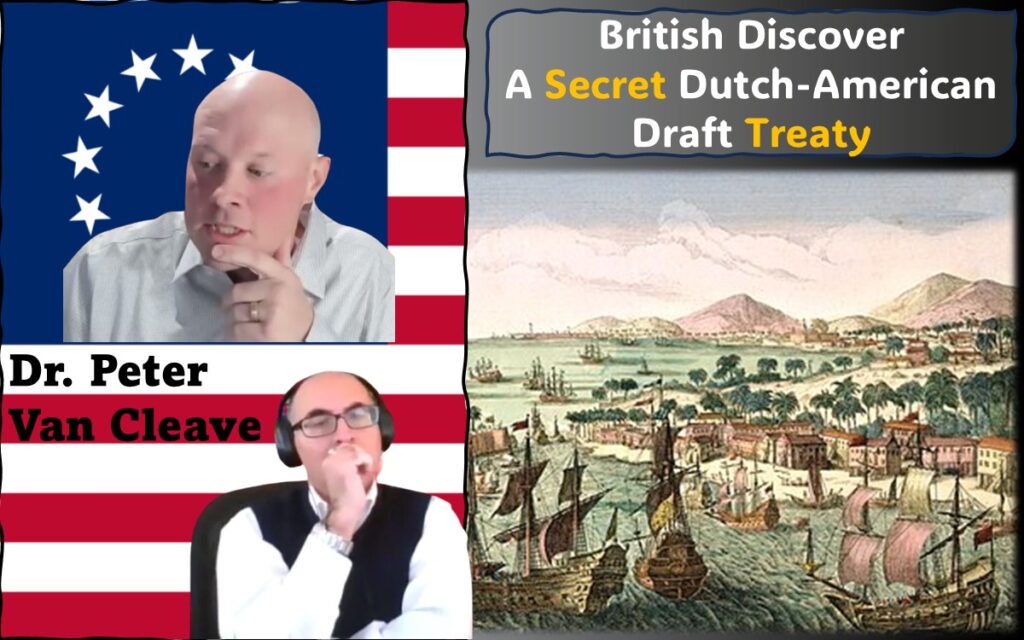
Introduction “Neutrality is emerging out of that. And in fact… what the Dutch want more than anything is to trade with the British and trade with the Americans.” Watch this segment in the video below (47:24) The Dutch claimed to be neutral. But were they really? Could a country claim neutrality while smuggling tea, gunpowder, […]
Did American Colonists think about China?
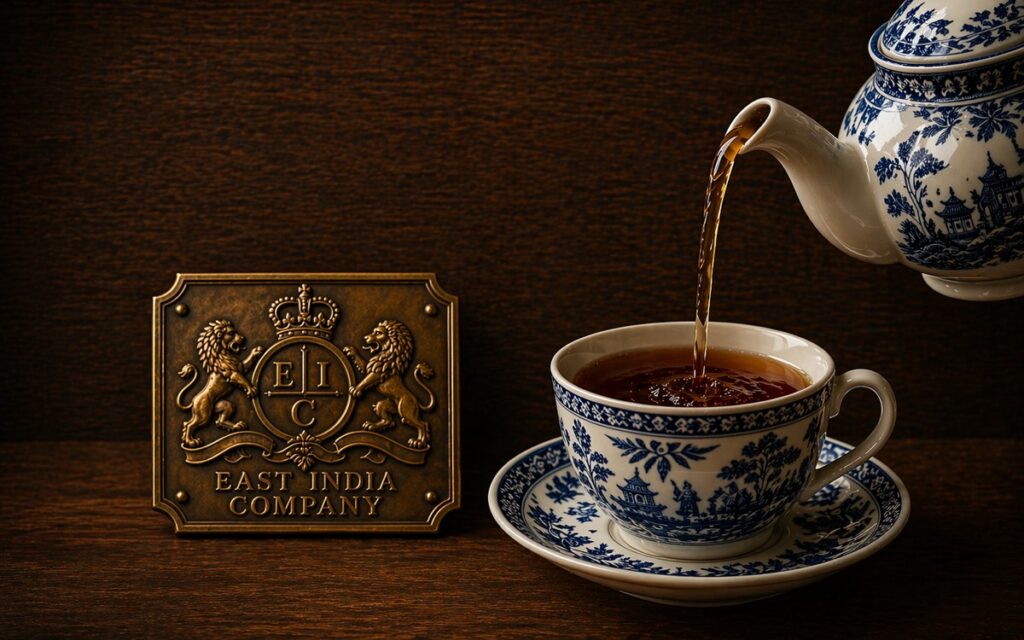
Boston Tea Party: Why China Mattered to the American Revolution – Part I China wasn’t part of the American Revolution… or was it? In the 1760s and 1770s, American colonists weren’t just thinking about liberty—they were thinking about status, taste, and refinement. Tea, porcelain, and lacquerware weren’t trivial imports. They were tied to British culture […]
