
A Monarch Who Almost Abdicated During the American Revolution
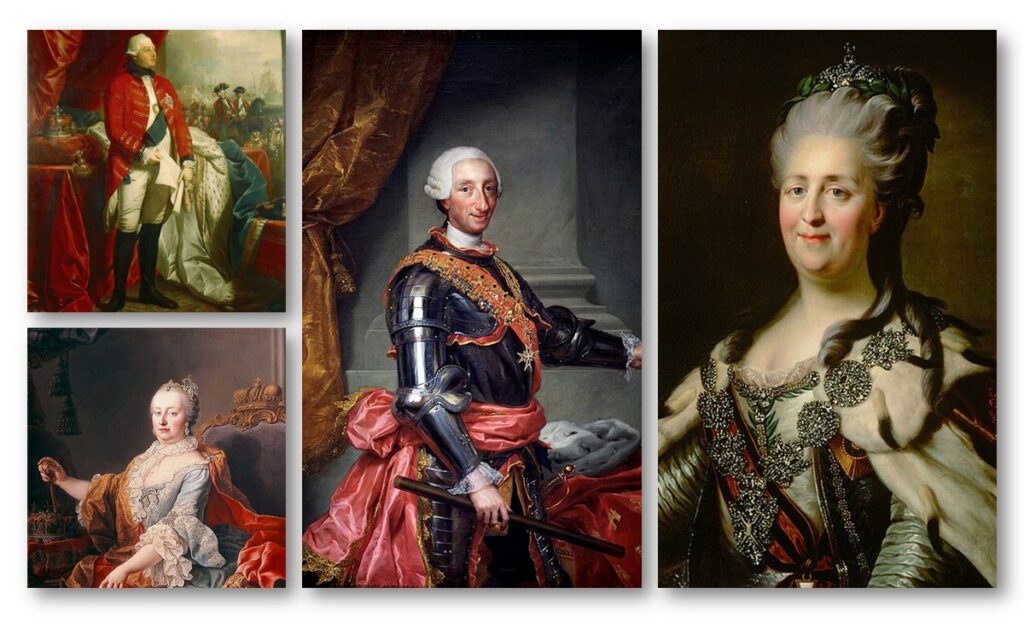
The American Declaration of Independence lists 27 grievances against King George III. It portrays him as an all-powerful tyrant—or as Dr. Richard Bell puts it, “Nero, Richard III, and Attila the Hun all rolled into one.” But that image misses something important. Behind the posture of control, the American Revolution tormented and wounded the King […]
Continental Soldier Citizens – America’s People’s Army
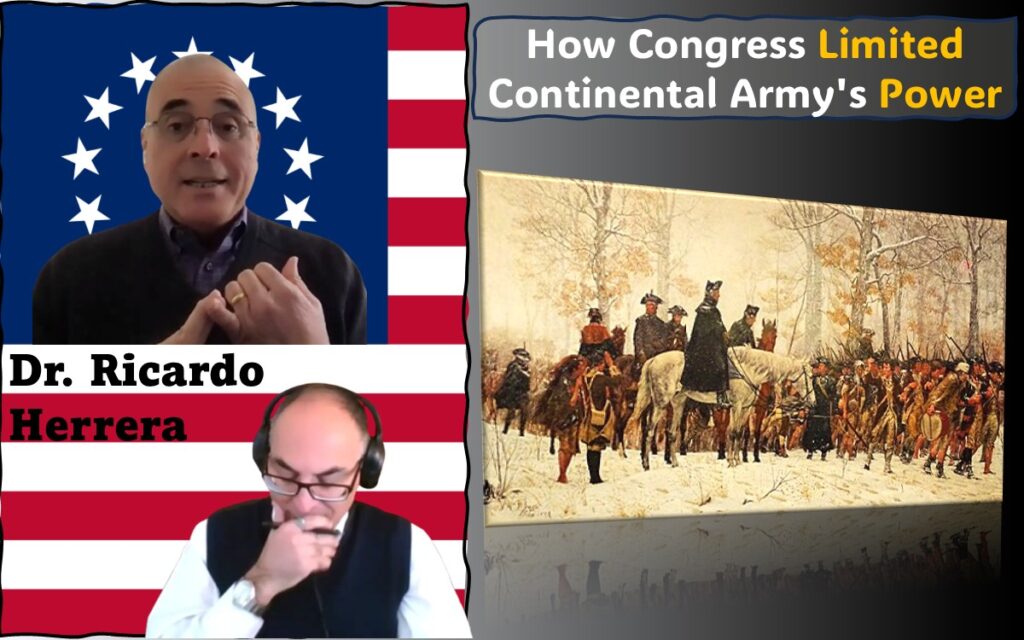
Introduction “That equated to roughly 20% of the male population. That’s the highest percentage in American history. World War II, 12%.” Watch this segment in the video below (01:04:22). Militias existed. Local defense existed. So why did the Continental Congress create the Continental Army—only to limit its power? What was this army actually fighting for? […]
Rethinking King George III: the American Revolution From the British Perspective
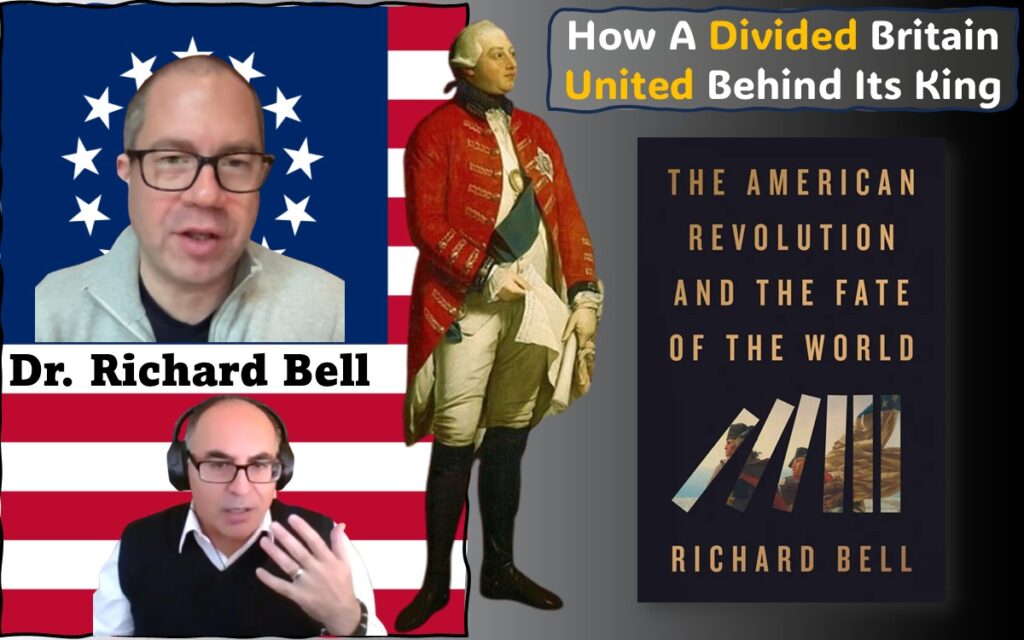
Introduction In this interview: “I think he’s having a real crisis of faith at that point, because we know that he will actually draft a letter of abdication, a letter of resignation to basically quit the royal family and go back to the German states where he was from.” Watch this section in the video […]
The Boston Massacre: A Permanent Rupture in the Imperial Family
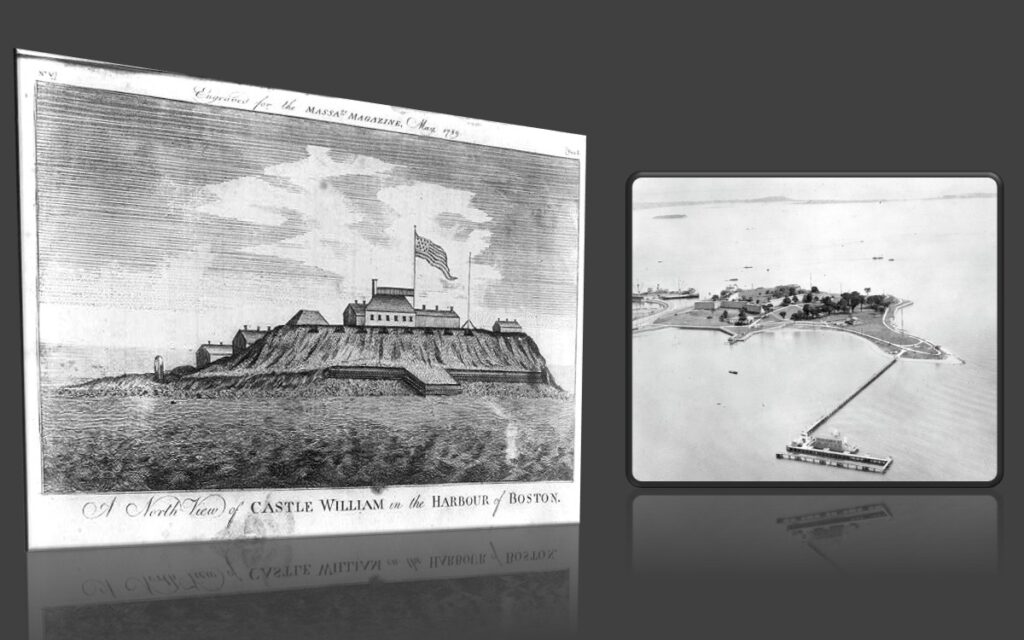
Reconsidering the Boston Massacre – Part V The Boston Massacre can be understood as a kind of “family history”—and not just metaphorically. It was lived, quite literally, in the homes, streets, and relationships of Boston itself. When the Army Brought Its Families When British regiments arrived in 1768, they didn’t come alone. Alongside roughly 2,000 […]
The Boston Massacre Trial: Politics & Performance?
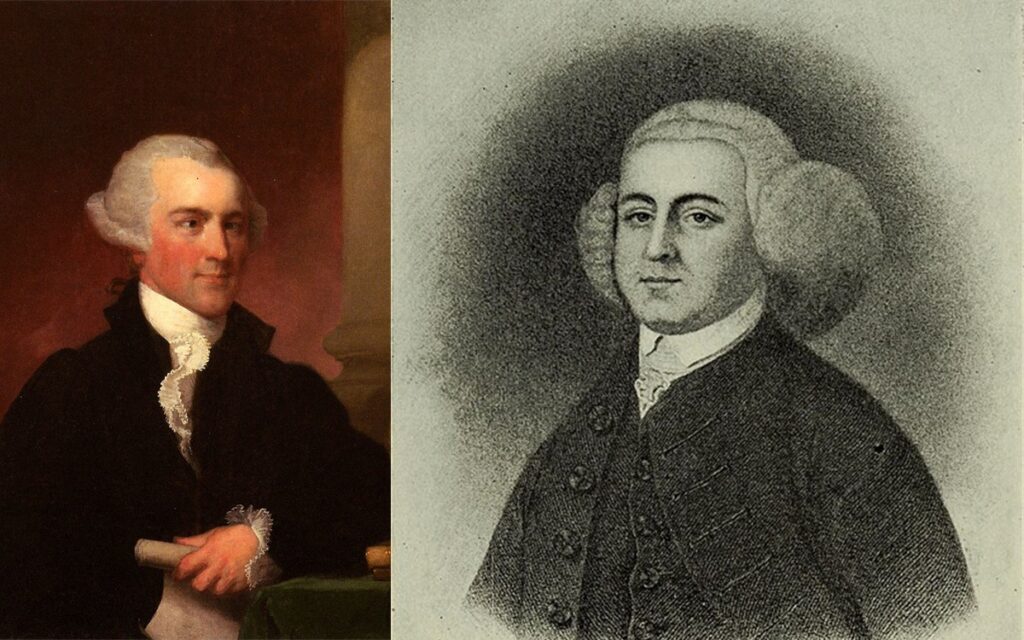
Reconsidering the Boston Massacre – Part IV If the shooting on King Street was chaos, the trials that followed were something else entirely—carefully staged, deeply political, and just as consequential. From the start, this wasn’t only about guilt or innocence. It was about perception—who could claim the moral high ground, not just in Boston, but […]
Paul Revere’s Depiction of the Boston Massacre – Confusion and Conspiracies
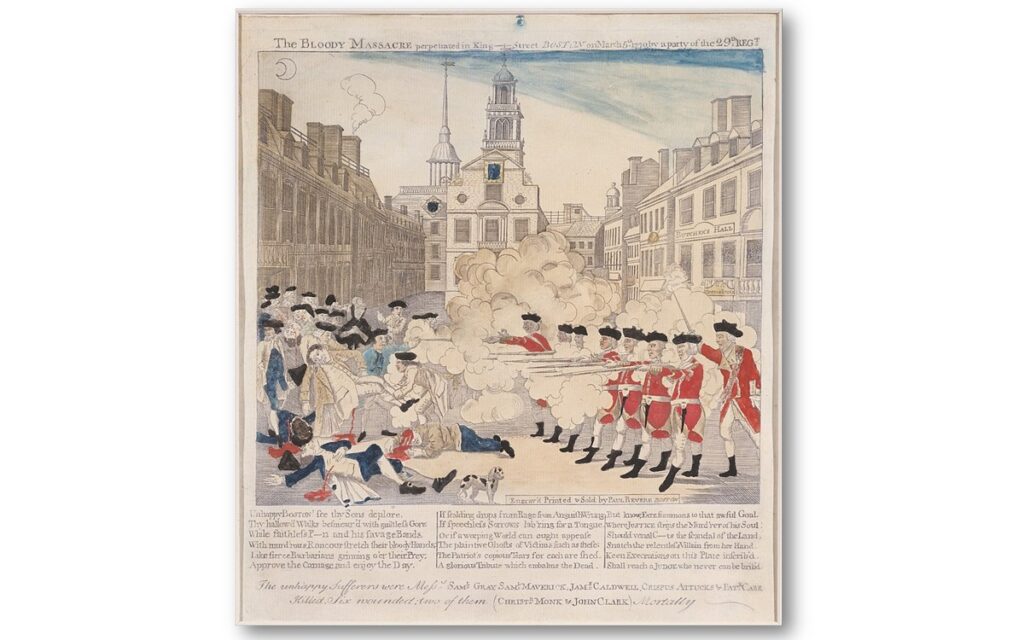
Reconsidering the Boston Massacre – Part III Paul Revere’s engraving of the Boston Massacre is one of the most famous images from 18th-century America—but it is not a neutral snapshot of what happened. And that’s really the place to start: this is not a photograph of a street scene. It’s a story. Revere wasn’t trying […]
In the Boston Massacre, Did British Soldiers and Colonists Know Each Other?
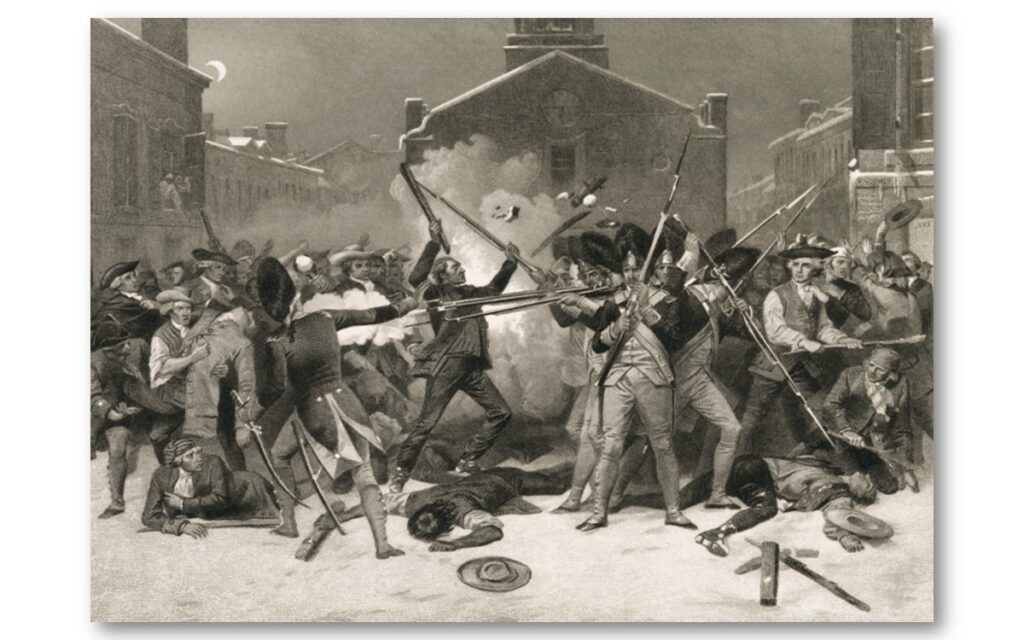
Reconsidering the Boston Massacre – Part II One of the most revealing and underappreciated layers of the Boston Massacre story is just how socially entangled British troops and Boston residents were before the shooting on King Street. It’s easy to imagine a rigid divide — angry townsfolk on one side and “British soldiers on the […]
Was the Boston Massacre Really a “Massacre”?
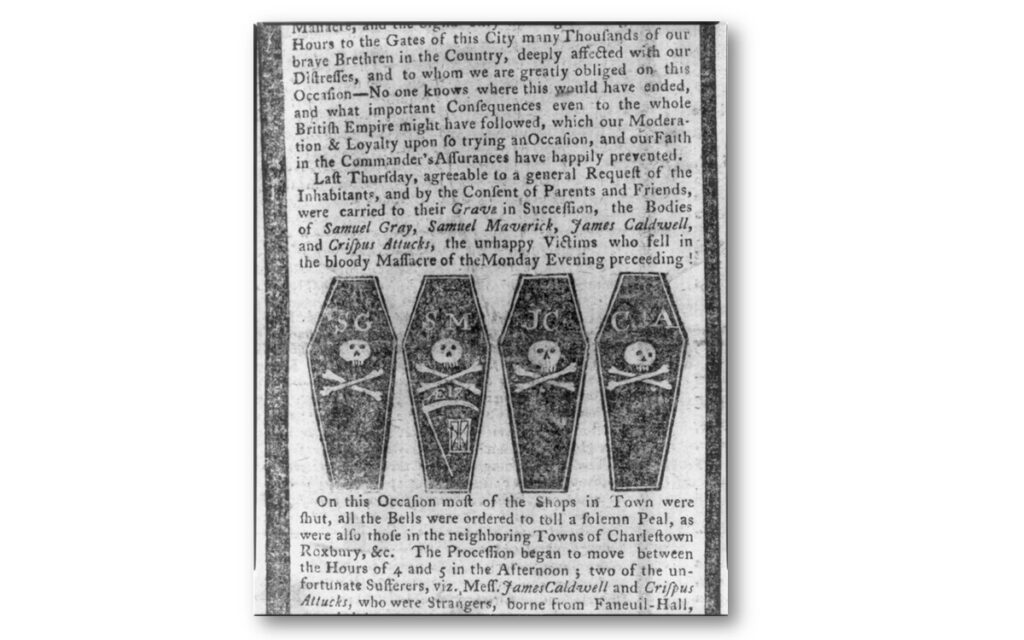
Reconsidering the Boston Massacre – Part I When we think of the Boston Massacre—which likely reflects what we learned in school and college—the word “massacre” immediately stands out. It evokes tragedy. It carries weight. It paints the British as ruthless tyrants who slaughtered innocent American colonists. But the reality is far more complicated. In part […]
India and the Global Forces Behind the British Defeat at Yorktown
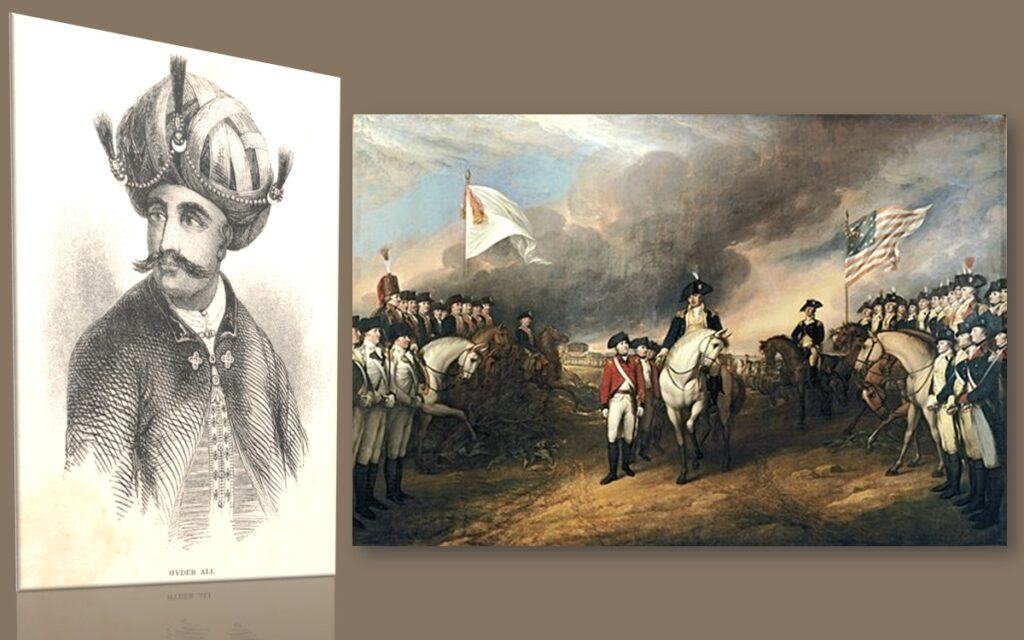
In Analyzing American Revolution, the global nature of the Revolutionary War has become an inescapable theme. As you will see in the examples below, many of our guest scholars reference and discuss how the fighting in the Thirteen American Colonies transformed into a truly world-spanning conflict. It should therefore come as no surprise that Britain’s […]
Use and Misuse of ‘common sense’
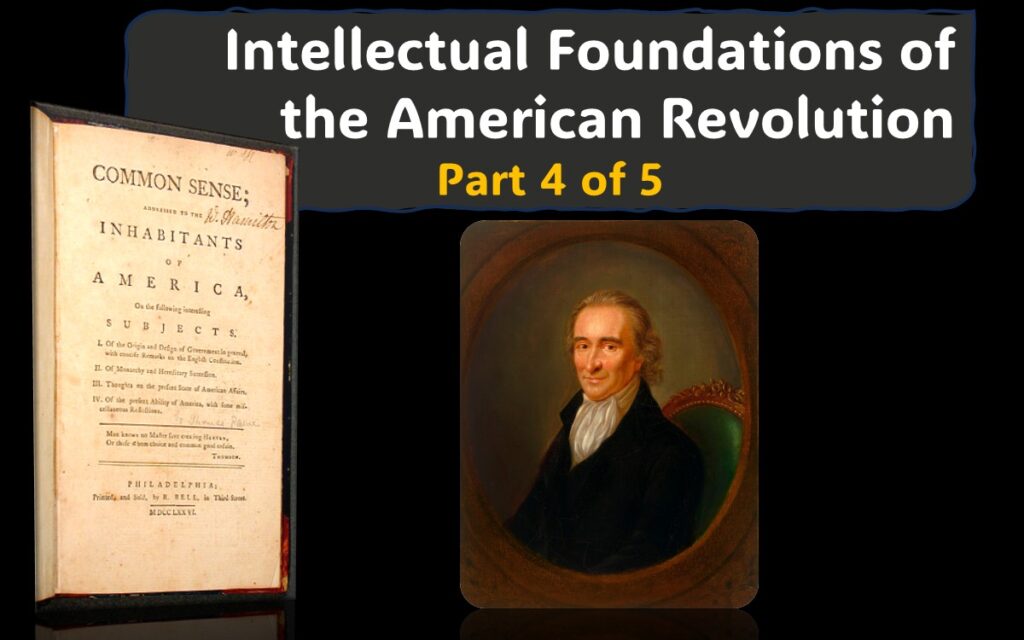
Intellectual Foundations of the American Revolution — Part IV Common sense (not Common Sense by Thomas Paine), as AAR’s guest scholar, Dr. Sophia Rosenfeld explains, is a more basic, instinctive form of understanding—what we naturally perceive or experience—while reason builds on it to reach higher-level conclusions through logic and inference. In the 18th century, common […]
