
Use and Misuse of ‘common sense’
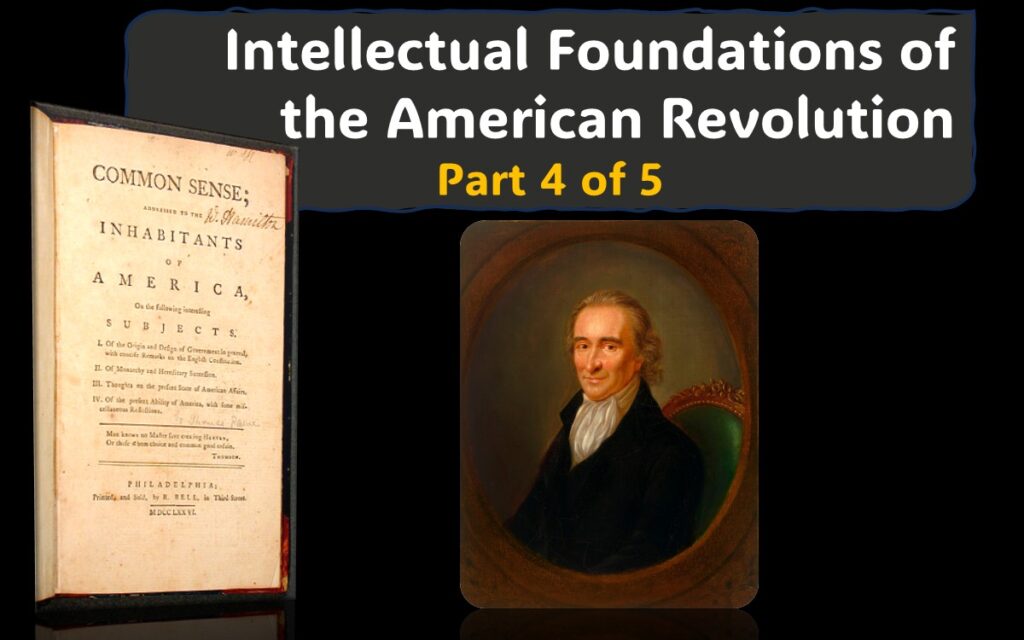
Intellectual Foundations of the American Revolution — Part IV Common sense (not Common Sense by Thomas Paine), as AAR’s guest scholar, Dr. Sophia Rosenfeld explains, is a more basic, instinctive form of understanding—what we naturally perceive or experience—while reason builds on it to reach higher-level conclusions through logic and inference. In the 18th century, common […]
The Enlightenment and the American Revolution: What Was the Impact?
Intellectual Foundations of the American Revolution — Part III The Enlightenment played a significant—but not exclusive—role in shaping the American Revolution, especially among its leading thinkers. Figures like Thomas Jefferson and James Madison drew on Enlightenment ideas, but blended them with other intellectual and political traditions. Concepts such as natural rights and the pursuit of […]
Why France Backed the American Revolution (And Got Nothing in Return)
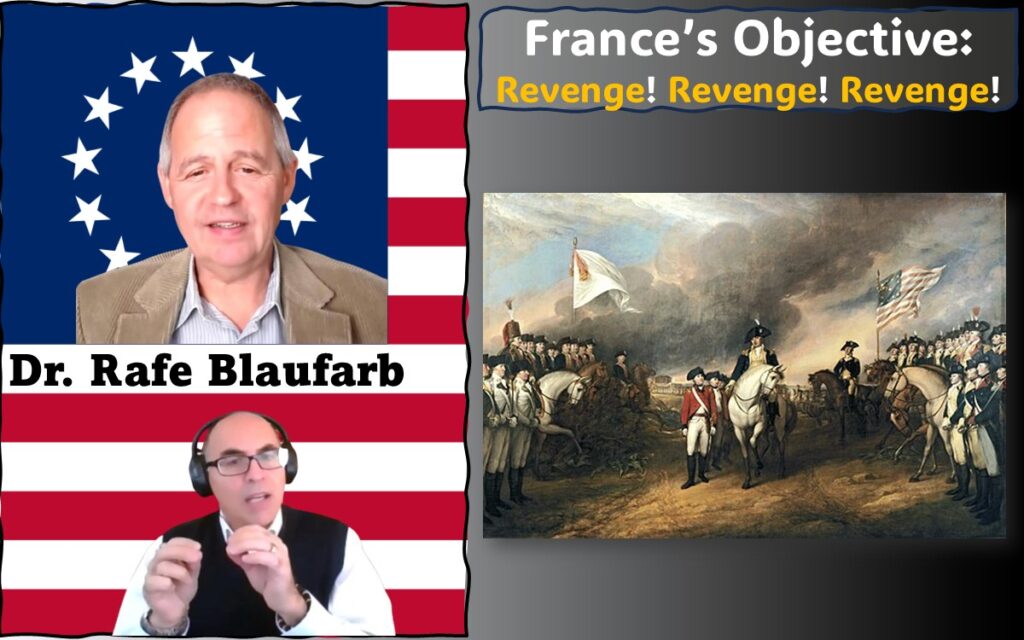
Introduction In this interview: “Well, here’s the mindset of the French government. Coming out of the defeat, the humiliating, crushing defeat of the Seven Years’ War, the dominant mood in the French government among, really, the movers and shakers of that country is, really simple, revenge, revenge, revenge on England…. And the United States, North […]
Age of Enlightenment, Reason, and Revolution
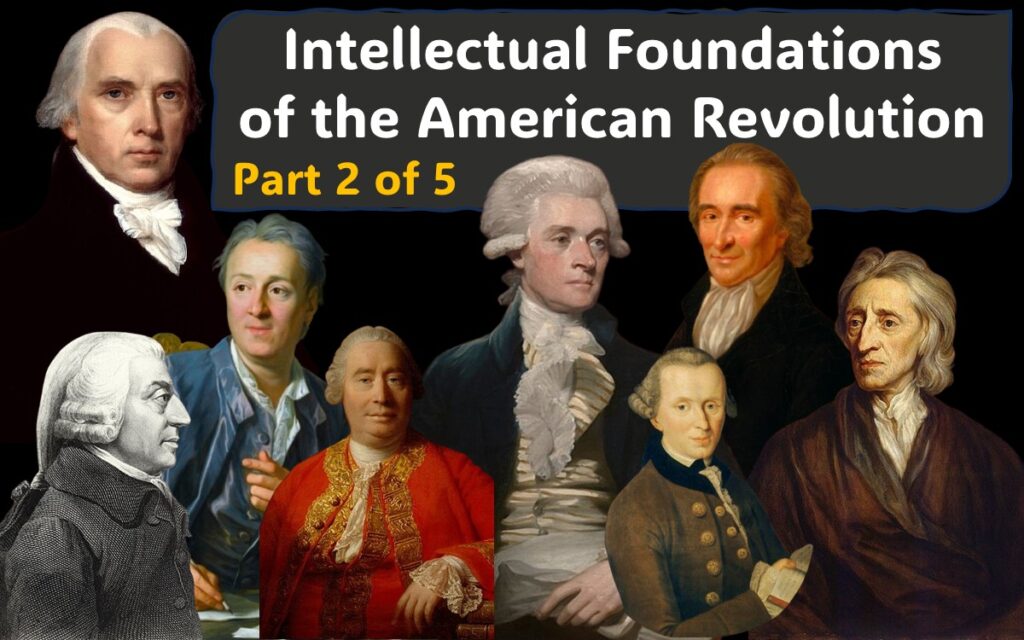
Intellectual Foundations of the American Revolution — Part II The Enlightenment is often called the “Age of Reason,” but that label only tells part of the story. While thinkers emphasized logic and skepticism—building on earlier figures like René Descartes—they also recognized that reason alone could be misleading if it wasn’t grounded in real-world observation. Unlike […]
The Enlightenment Is Hard to Define
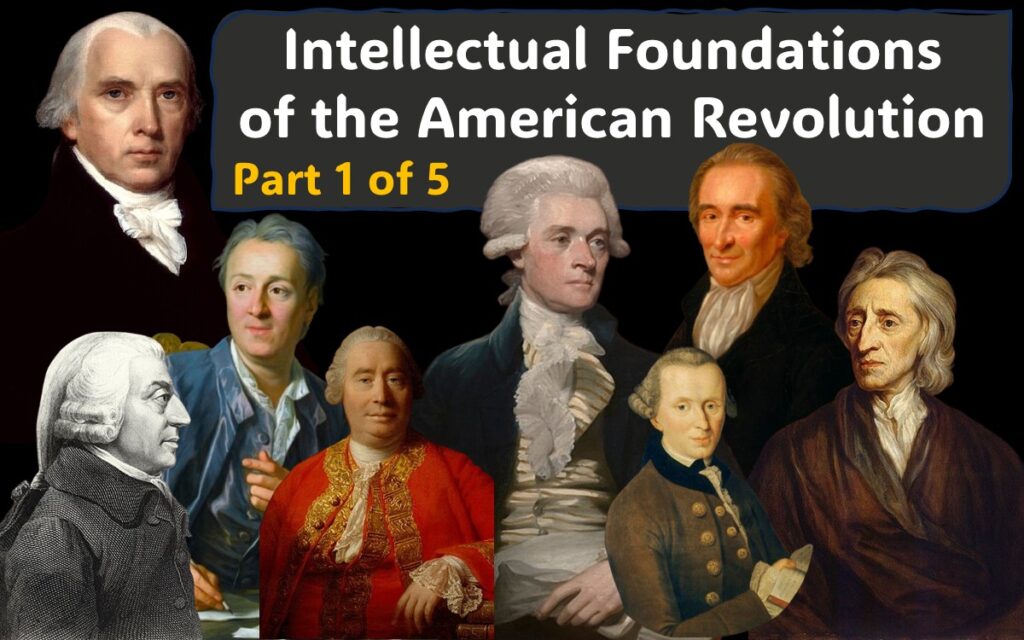
Intellectual Foundations of the American Revolution — Part I The Enlightenment is not as easy to define as we might expect—largely because the term itself was rarely used by the very thinkers we now group under it. In many ways, “the Enlightenment” is a label applied after the fact, used to describe a broad intellectual […]
Who Refused Britain’s Call for Troops in the American Revolution
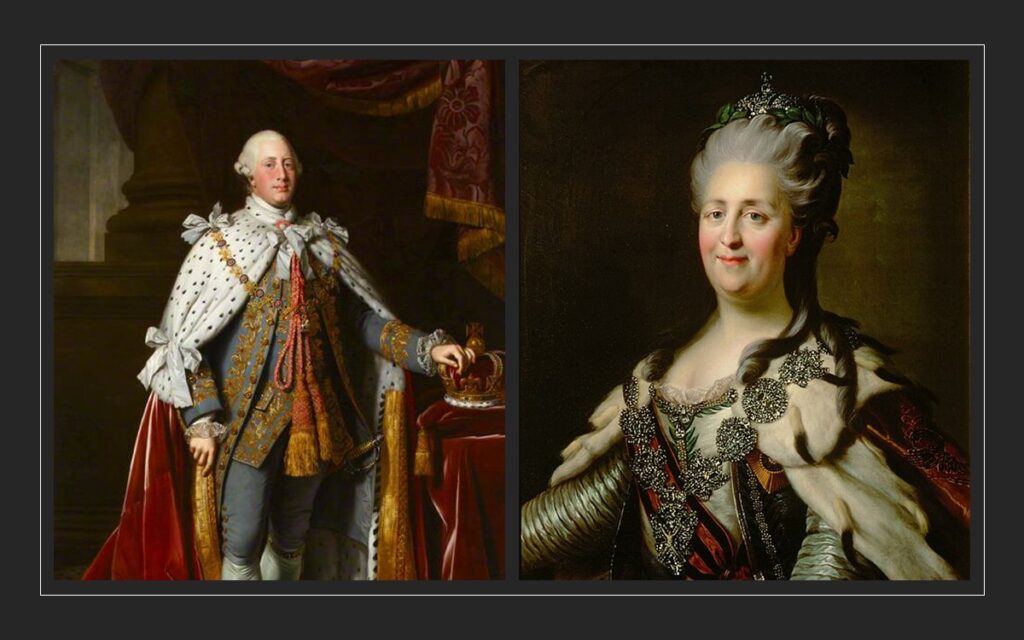
Unlike the French, the Habsburgs and the Russians, the British Empire was predominantly a naval power. This was both its great strength and a persistent weakness. It was a strength because, well into early 20th century, no rival could match Britain’s command of the seas. Naval dominance meant control over global shipping lanes—the lifeblood of […]
Russian Neutrality in the American Revolution: Fear, Strategy, and Opportunity
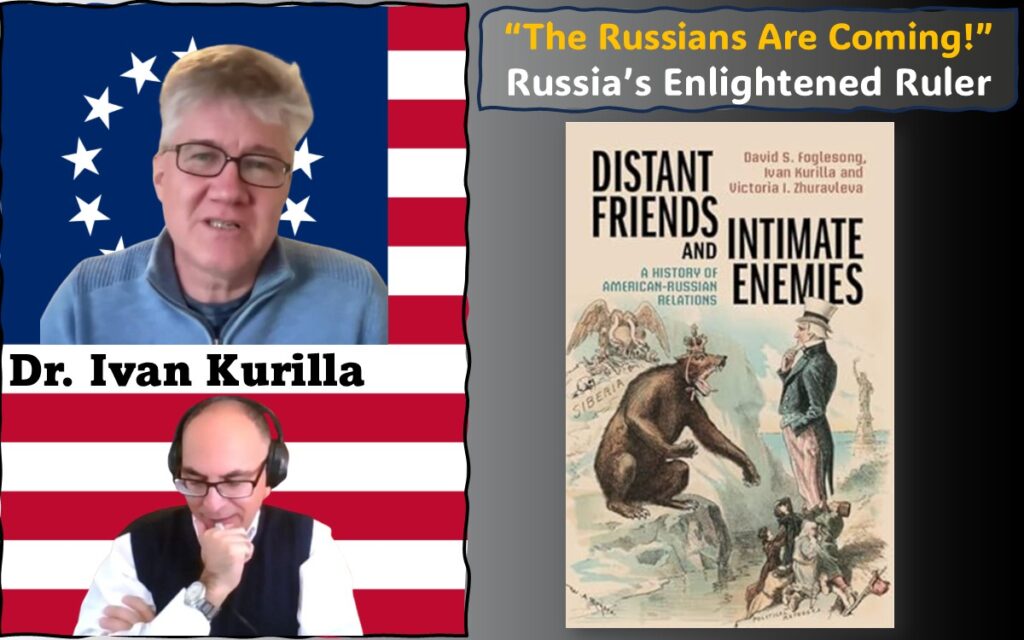
Introduction In this interview: “King George III asked Catherine to send her troops or Cossacks to North America to help suppress American uprising. And by the way, British propaganda already used the promise of coming Cossacks, you know, use this propaganda against colonists saying, you know, soon the Russians [are coming] and will suppress you.” […]
Samuel Adams and the Question of Independence
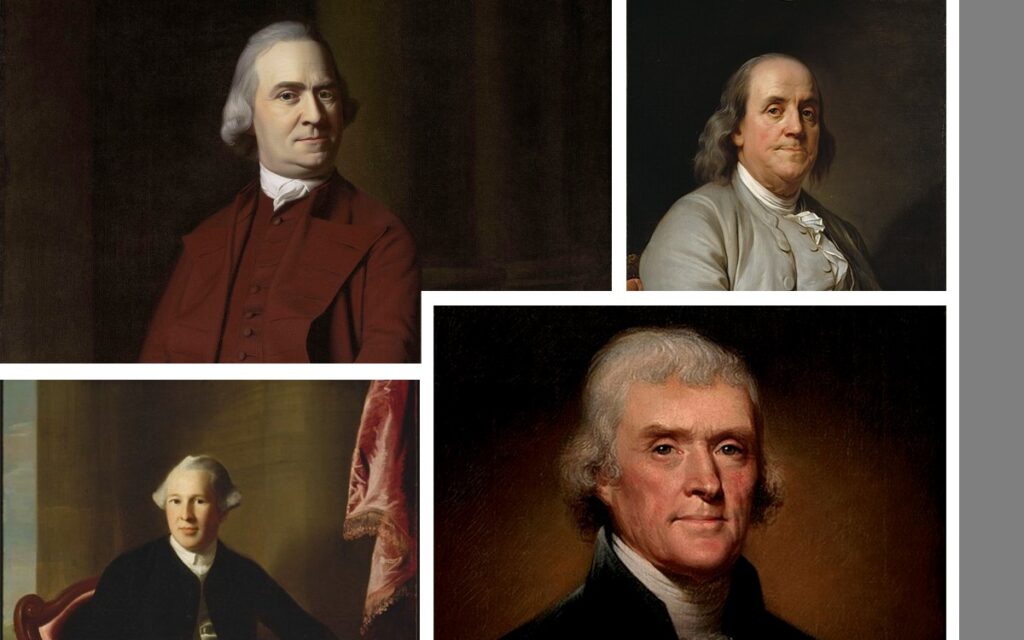
On April 3, 1776—just three months before the Declaration of Independence—Samuel Adams wrote from Philadelphia, where he was serving as a Massachusetts delegate to the Second Continental Congress. In a letter to fellow Massachusetts native Reverend Samuel Cooper of Boston, he posed a striking question: “Is not America already independent? Why then not declare it?” […]
Steuben: How a Disgraced Prussian Volunteer Transformed America’s Struggling Army

Introduction In this interview: “In fact, I would argue there’s probably no general or no officer in the army at the end of the Valley Forge encampment and possibly at the end of the revolution who is better recognized, better known by the soldiers than Stubin.” Watch this segment in the video below (00:54:35). Baron […]
“We Have It In Our Power to Begin the World Over Again”
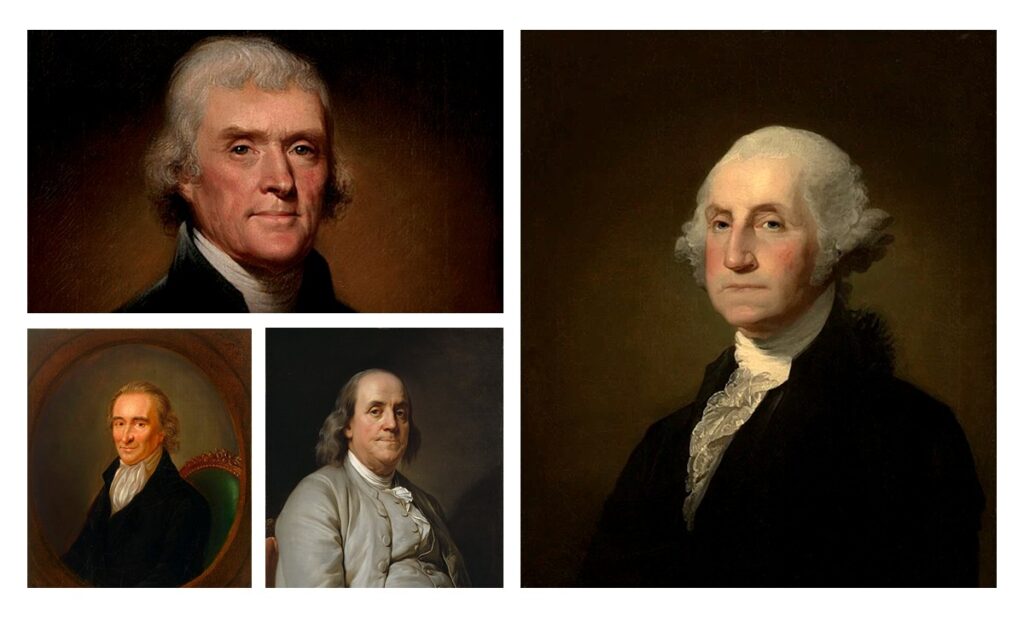
In “Common Sense”, Thomas Paine wrote, “We have it in our power to begin the world over again” to urge American colonists to break from British rule and create a new, independent, and democratic republic. In the answer to our quiz, we mentioned there is a twist: this famous sentence was not published in the […]
