
The Real Revolution in “Common Sense”
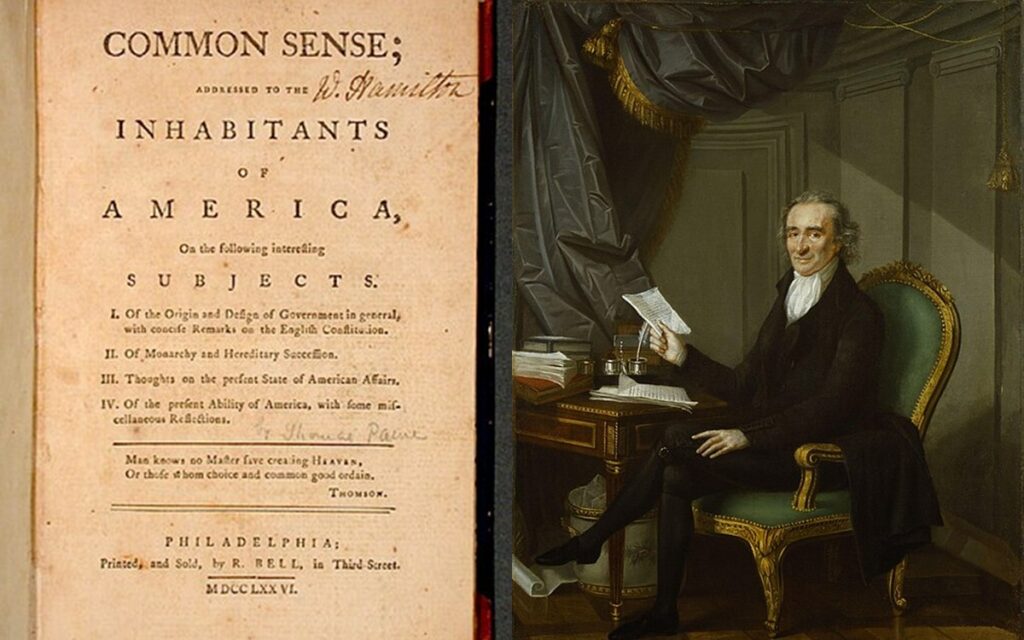
Thomas Paine Didn’t Just Call for Independence — He Tried to Destroy the Idea of Kings By early 1776, many American colonists were angry with Britain — but that did not necessarily mean they opposed monarchy itself. In fact, many still believed kings were natural, legitimate, even divinely sanctioned rulers. That is what makes Thomas […]
The Enlightenment Is Hard to Define
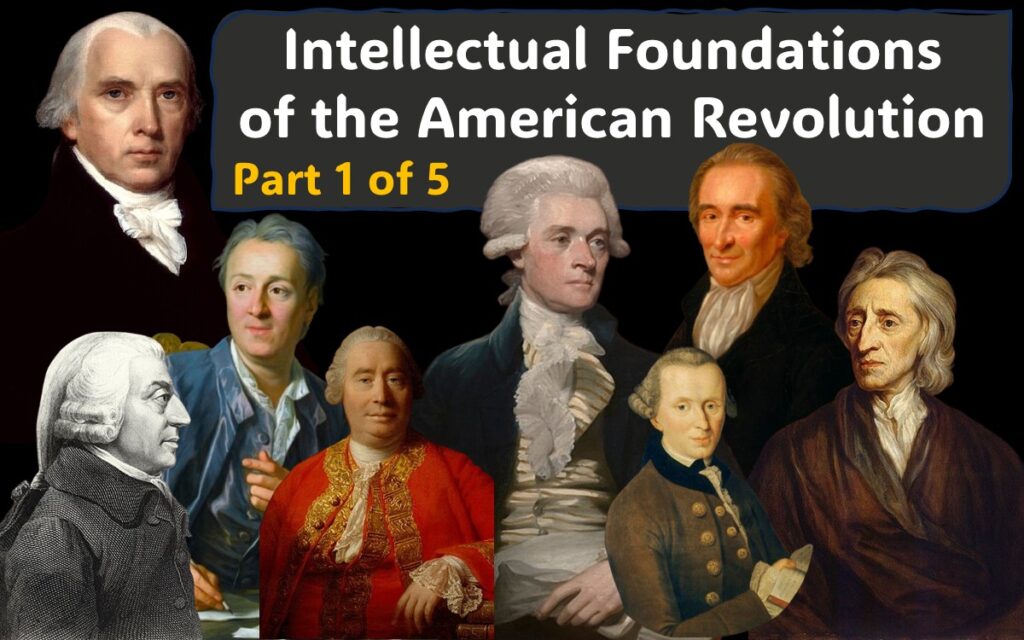
Intellectual Foundations of the American Revolution — Part I The Enlightenment is not as easy to define as we might expect—largely because the term itself was rarely used by the very thinkers we now group under it. In many ways, “the Enlightenment” is a label applied after the fact, used to describe a broad intellectual […]
How Thomas Paine Became Thomas Paine: The Origins of “Common Sense”

Introduction In this interview: “Americans, of course, think of the Revolution and they think of the Declaration of Independence. But let me make it clear. During the Revolutionary War, people thought of Common Sense as the document of independence.” Watch this section in the video below (00:44:46) Thomas Paine arrived in America in late 1774 […]
The Enlightenment, Common Sense, and the American Revolution: A Conversation with Dr. Sophia Rosenfeld – Part III

Intellectual Foundations of the American Revolution To fully comprehend the American Revolution, we have to study the developments that frayed relations between Great Britain and its American colonies in the Pre-Revolutionary Era, generally understood as the years between 1763, which marked the end of the French and Indian War, and 1775, when open and violent […]
The Enlightenment, Common Sense, and the American Revolution: A Conversation with Dr. Sophia Rosenfeld – Part II

Intellectual Foundations of the American Revolution To fully comprehend the American Revolution, we have to study the developments that frayed relations between Great Britain and its American colonies in the Pre-Revolutionary Era, generally understood as the years between 1763, which marked the end of the French and Indian War, and 1775, when open and violent […]
The Enlightenment and Intellectual Foundations of the American Revolution
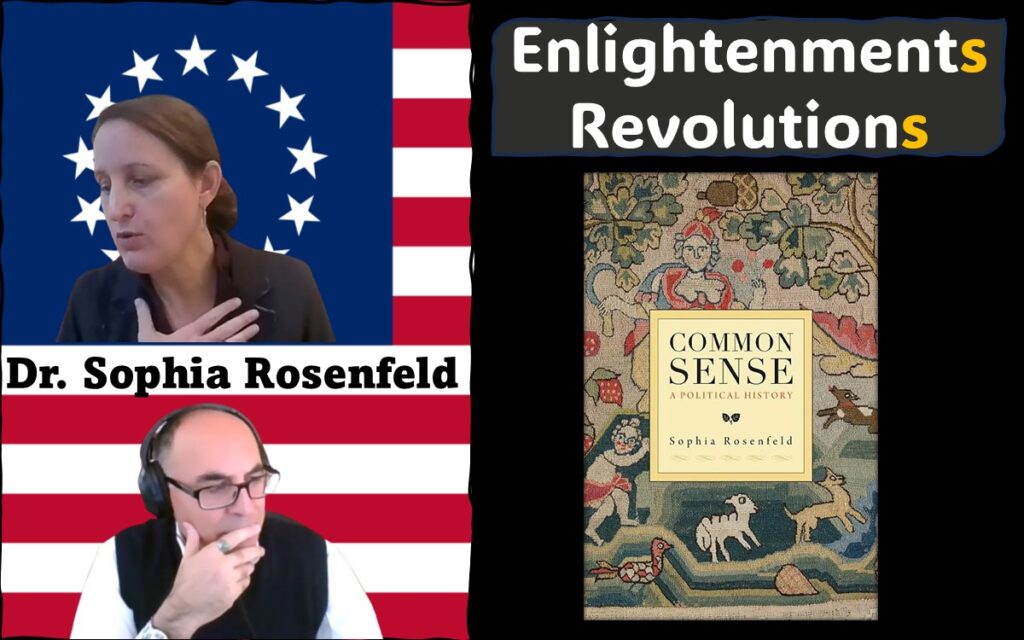
Introduction In this interview: “But he’s insisting that both there’s nothing particularly radical in what he’s arguing, because anyone with common sense would know it, and also that ordinary people could probably rule on their own just fine.” Watch this section in the video below (00:34:08). To fully comprehend the American Revolution, we have to […]
The Enlightenment, Common Sense, and the American Revolution: A Conversation with Dr. Sophia Rosenfeld – Part I

Intellectual Foundations of the American Revolution To fully comprehend the American Revolution, we have to study the developments that frayed relations between Great Britain and its American colonies in the Pre-Revolutionary Era, generally understood as the years between 1763, which marked the end of the French and Indian War, and 1775, when open and violent […]
