
The Enlightenment and the Power of Thinking
Intellectual Foundations of the American Revolution — Part V At its core, the Enlightenment encouraged people to step back and examine not just what they believe, but why they believe it. In essence, the Enlightenment was a revolution in “thinking about thinking” How “Thinking About Thinking” Shaped Revolutionary Perspectives As AAR’s guest scholar, Dr. Sophia […]
Use and Misuse of ‘common sense’
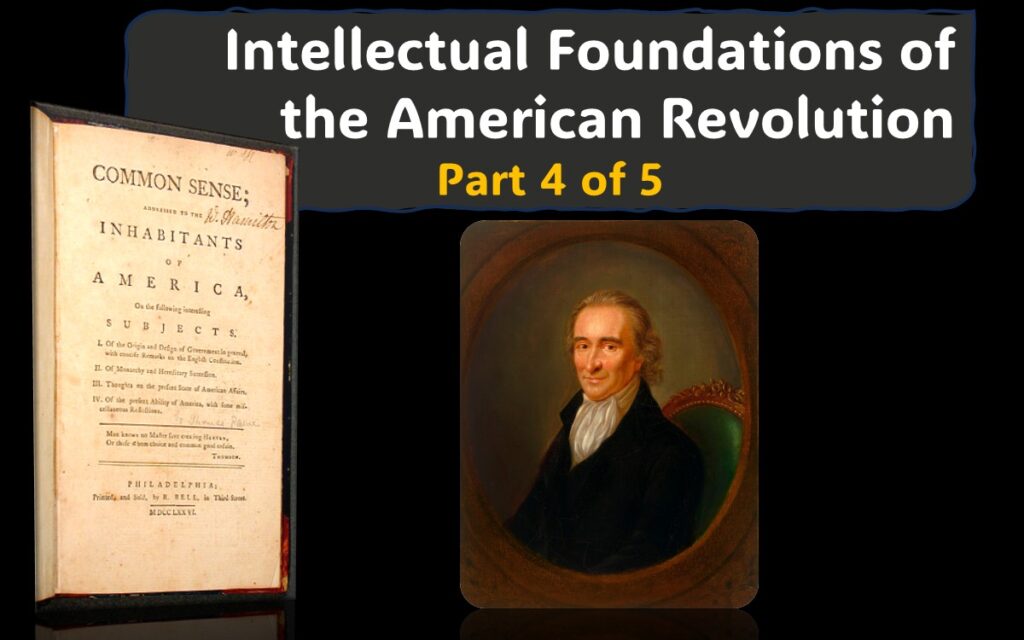
Intellectual Foundations of the American Revolution — Part IV Common sense (not Common Sense by Thomas Paine), as AAR’s guest scholar, Dr. Sophia Rosenfeld explains, is a more basic, instinctive form of understanding—what we naturally perceive or experience—while reason builds on it to reach higher-level conclusions through logic and inference. In the 18th century, common […]
The Enlightenment and the American Revolution: What Was the Impact?
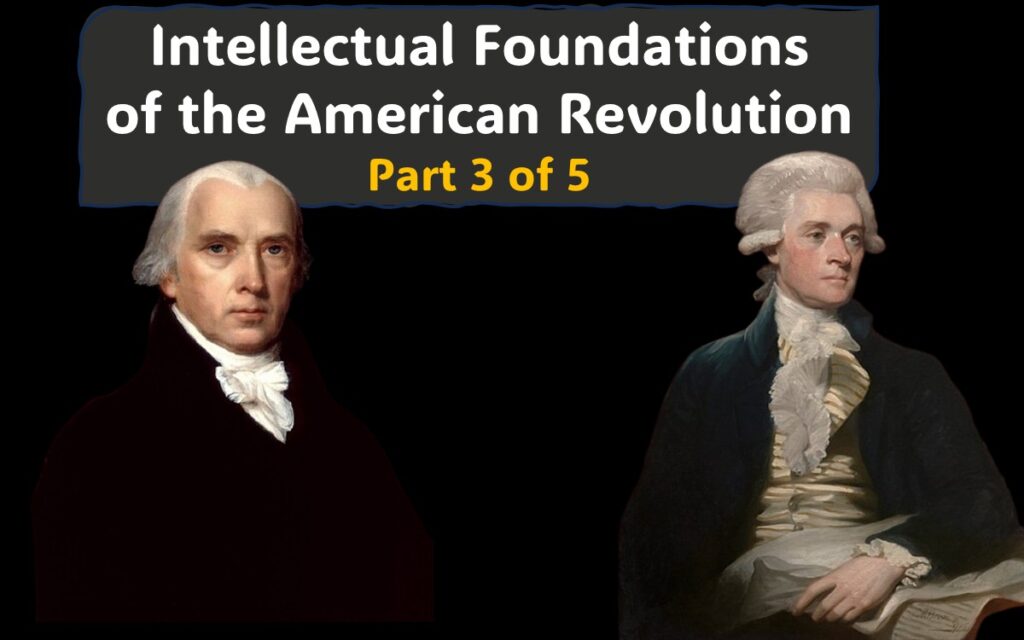
Intellectual Foundations of the American Revolution — Part III The Enlightenment played a significant—but not exclusive—role in shaping the American Revolution, especially among its leading thinkers. Figures like Thomas Jefferson and James Madison drew on Enlightenment ideas, but blended them with other intellectual and political traditions. Concepts such as natural rights and the pursuit of […]
Age of Enlightenment, Reason, and Revolution
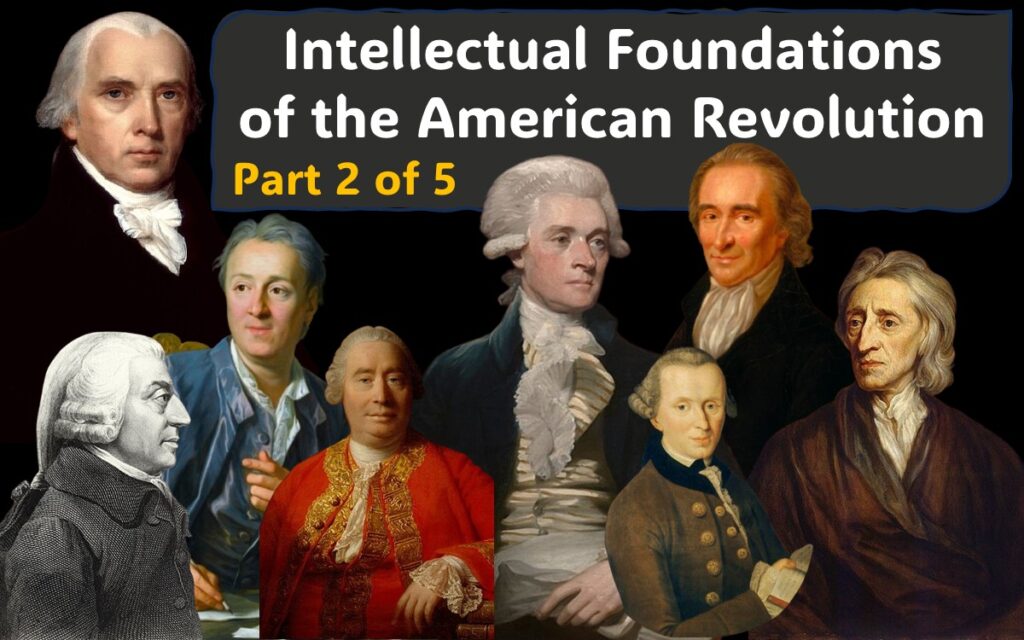
Intellectual Foundations of the American Revolution — Part II The Enlightenment is often called the “Age of Reason,” but that label only tells part of the story. While thinkers emphasized logic and skepticism—building on earlier figures like René Descartes—they also recognized that reason alone could be misleading if it wasn’t grounded in real-world observation. Unlike […]
The Enlightenment, Common Sense, and the American Revolution: A Conversation with Dr. Sophia Rosenfeld – Part III

Intellectual Foundations of the American Revolution To fully comprehend the American Revolution, we have to study the developments that frayed relations between Great Britain and its American colonies in the Pre-Revolutionary Era, generally understood as the years between 1763, which marked the end of the French and Indian War, and 1775, when open and violent […]
The Enlightenment, Common Sense, and the American Revolution: A Conversation with Dr. Sophia Rosenfeld – Part II

Intellectual Foundations of the American Revolution To fully comprehend the American Revolution, we have to study the developments that frayed relations between Great Britain and its American colonies in the Pre-Revolutionary Era, generally understood as the years between 1763, which marked the end of the French and Indian War, and 1775, when open and violent […]
The Enlightenment and Intellectual Foundations of the American Revolution
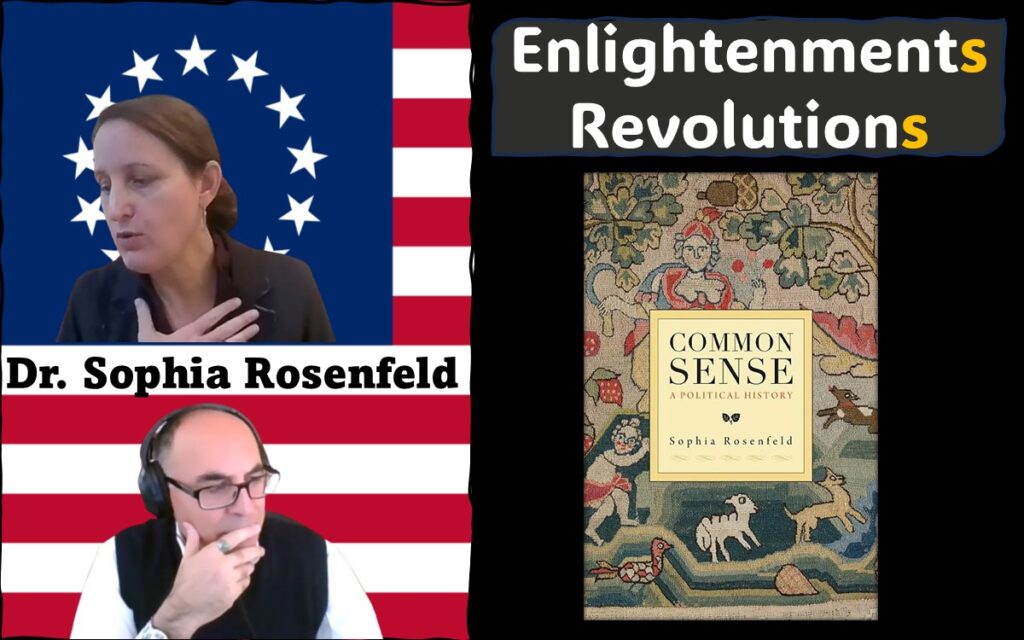
Introduction In this interview: “But he’s insisting that both there’s nothing particularly radical in what he’s arguing, because anyone with common sense would know it, and also that ordinary people could probably rule on their own just fine.” Watch this section in the video below (00:34:08). To fully comprehend the American Revolution, we have to […]
The Enlightenment, Common Sense, and the American Revolution: A Conversation with Dr. Sophia Rosenfeld – Part I

Intellectual Foundations of the American Revolution To fully comprehend the American Revolution, we have to study the developments that frayed relations between Great Britain and its American colonies in the Pre-Revolutionary Era, generally understood as the years between 1763, which marked the end of the French and Indian War, and 1775, when open and violent […]
