AAR’s Book Club is not U.S. History 101.
These books don’t simply commemorate the American Revolution—they complicate the familiar story many of us learned in school. They do so because the Revolution itself was complex: a civil war within the American colonies that became a global conflict. And, as you’ll see, it did not begin as a revolution for independence from Britain, but as a rebellion for British rights.
If you have any doubts about that complexity, watch the interviews or read the accompanying essays. And if questions still remain, take a look at the books selected for this page.
This is how the AAR Book Club is organized:
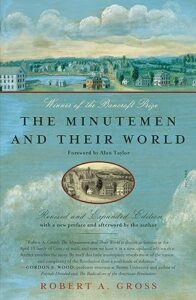
Once a week, I highlight one book from the collection and explain why it stands out—and why it’s worth your time.
Our guests—including Pulitzer Prize winners—have written extensively on the American Revolution, including recent works intended for the 250th anniversary of the Declaration of Independence.
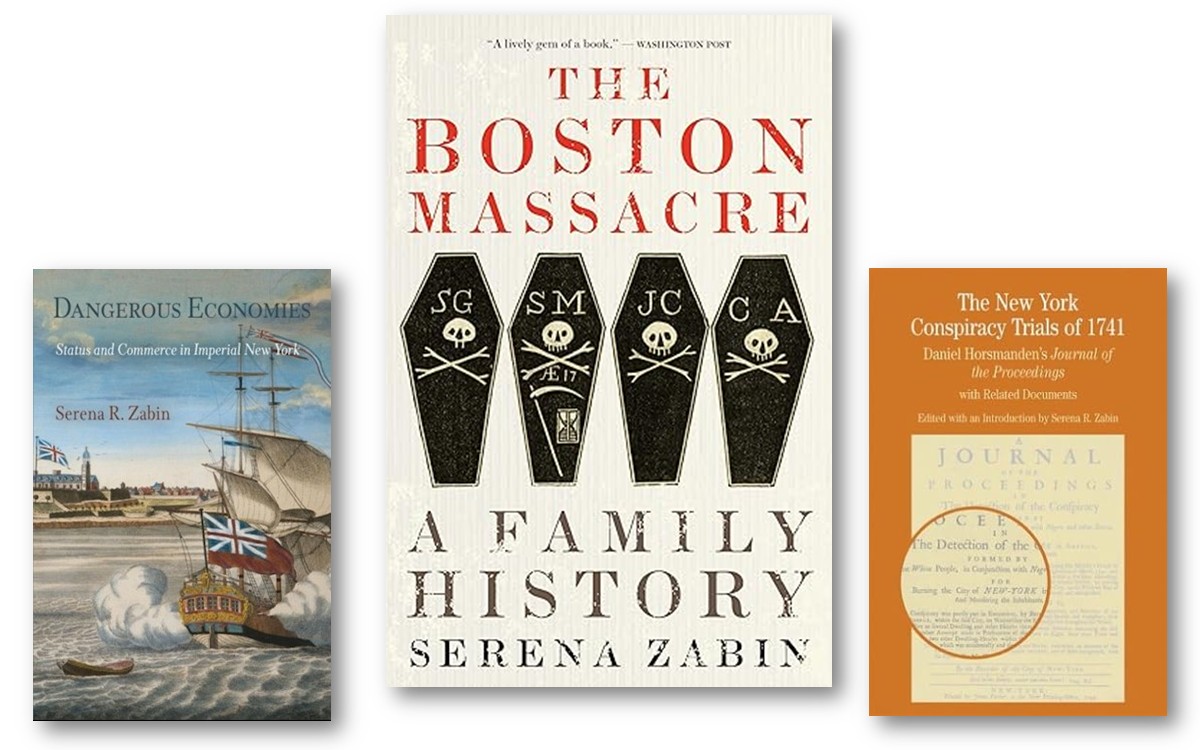
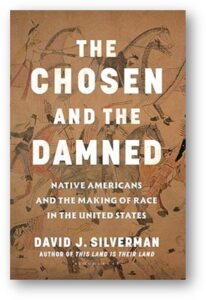
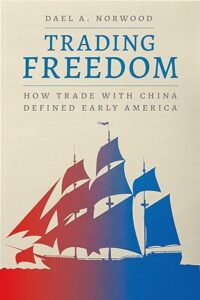
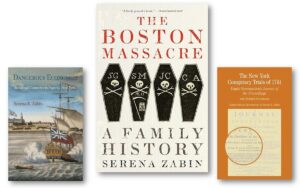
This section curates the books we’ve discussed in AARevolution interviews. While I’ve read some cover to cover, I’ve closely analyzed all of them—drawing questions, themes, and insights from each.
I’m especially drawn to biographies, and you’ll see many of them here—including popular histories written for a broader audience.
That’s intentional. Biographies tend to read like stories, which makes them more accessible—especially for those newer to the American Revolution. They offer a way into the history without assuming deep prior knowledge.
This highlights my current reading selection, which may or may not focus on the American Revolution.
Some of these books are more demanding—longer and more detailed than what many readers are used to. When that’s the case, I’ll note it.
Like most readers, I have a growing list. It’s exciting—but also a bit daunting. There are only so many hours in the day, and the list never seems to shrink😄.
For each book here, I’ll share why it’s on my list and what I hope to take from it.