
Paul Revere’s Depiction of the Boston Massacre – Confusion and Conspiracies
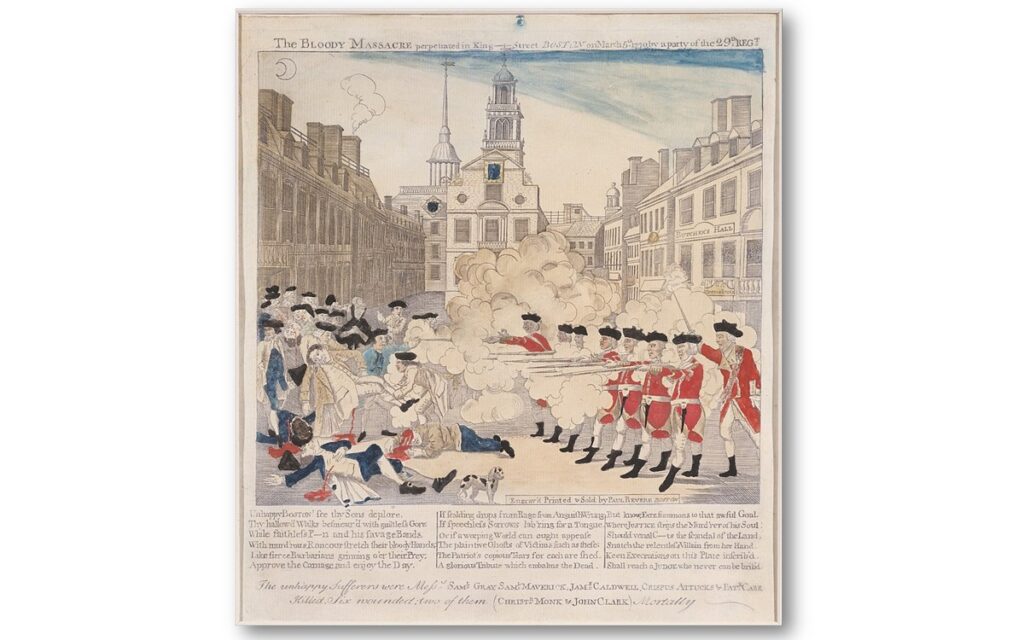
Reconsidering the Boston Massacre – Part III Paul Revere’s engraving of the Boston Massacre is one of the most famous images from 18th-century America—but it is not a neutral snapshot of what happened. And that’s really the place to start: this is not a photograph of a street scene. It’s a story. Revere wasn’t trying […]
In the Boston Massacre, Did British Soldiers and Colonists Know Each Other?
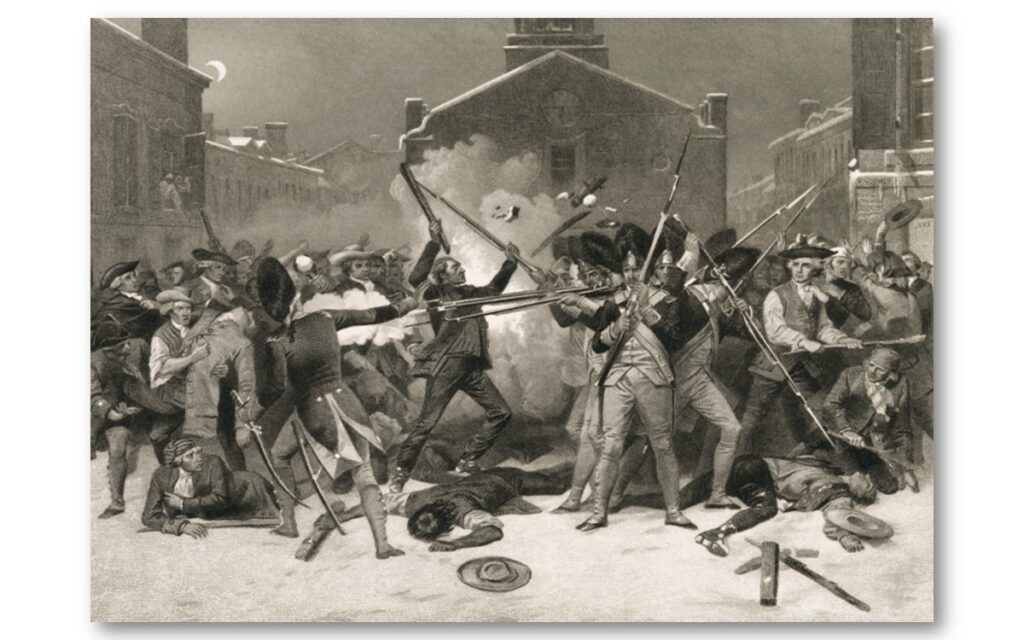
Reconsidering the Boston Massacre – Part II One of the most revealing and underappreciated layers of the Boston Massacre story is just how socially entangled British troops and Boston residents were before the shooting on King Street. It’s easy to imagine a rigid divide — angry townsfolk on one side and “British soldiers on the […]
Boston Massacre Reconsidered: Dr. Serena Zabin Interview, Part III

Reassessing the Boston Massacre and the Path It Paved to Revolution Long before open hostilities, revolutionary thinking was shaped by Enlightenment ideas, as Dr. Sophia Rosenfeld explains in our program. These intellectual developments—the Age of Enlightenment, the Age of Reason, and the Age of Revolutions—reshaped how people in Europe and the American colonies thought about […]
Boston Massacre Reconsidered: Dr. Serena Zabin Interview, Part II

Reassessing the Boston Massacre and the Path It Paved to Revolution Long before open hostilities, revolutionary thinking was shaped by Enlightenment ideas, as Dr. Sophia Rosenfeld explains in our program. These intellectual developments—the Age of Enlightenment, the Age of Reason, and the Age of Revolutions—reshaped how people in Europe and the American colonies thought about […]
Boston Massacre Reconsidered: Was It A Massacre?
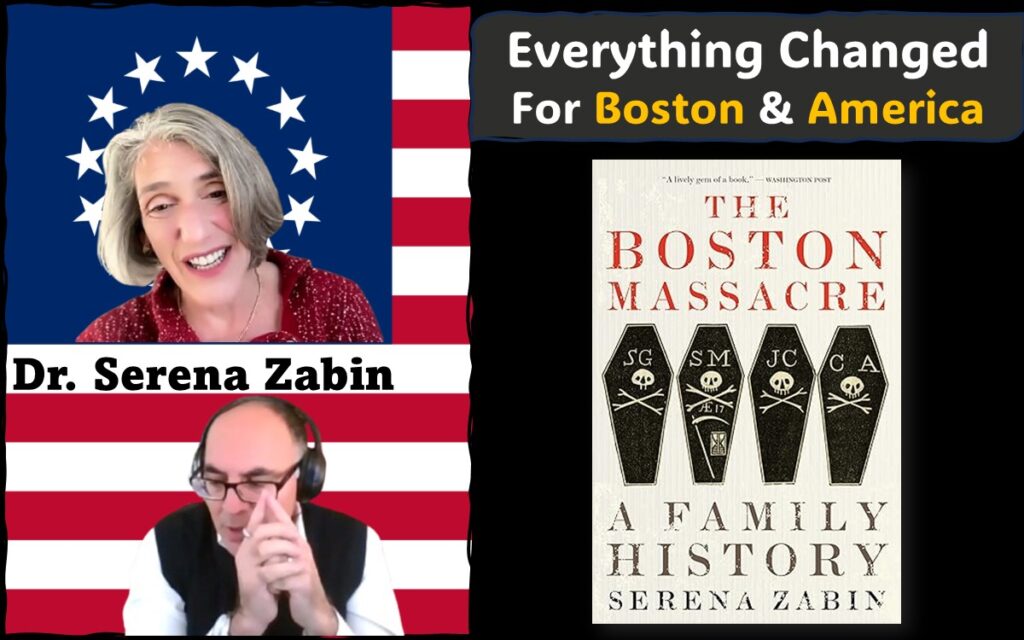
Introduction In this interview: “But really, what I came to realize is that the, you know, the things that we can know, are not necessarily the things that the parties at the time cared about hiding.” Watch this section in the video below (00:25:24). Was the Boston Massacre inevitable? For its time, was it truly […]
Boston Massacre Reconsidered: Dr. Serena Zabin Interview, Part I

Reassessing the Boston Massacre and the Path It Paved to Revolution Long before open hostilities, revolutionary thinking was shaped by Enlightenment ideas, as Dr. Sophia Rosenfeld explains in our program. These intellectual developments—the Age of Enlightenment, the Age of Reason, and the Age of Revolutions—reshaped how people in Europe and the American colonies thought about […]
